Mixing and matching chair styles at a farmhouse table
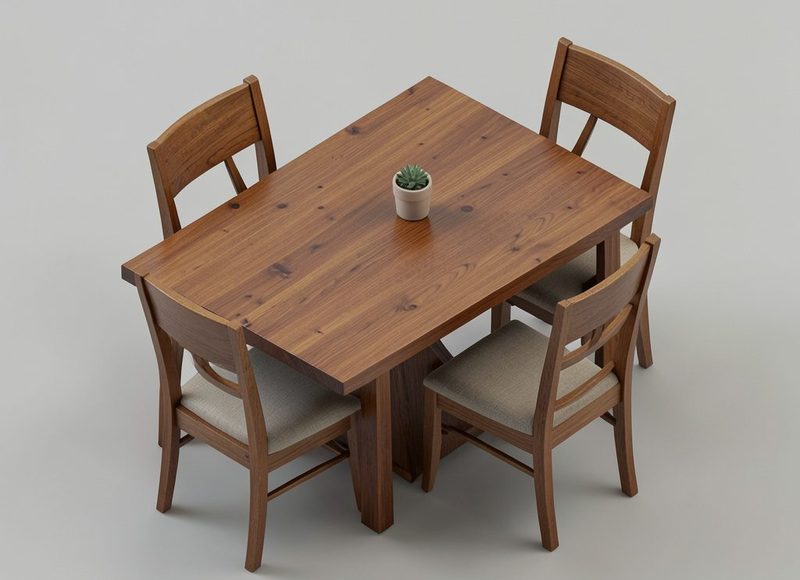
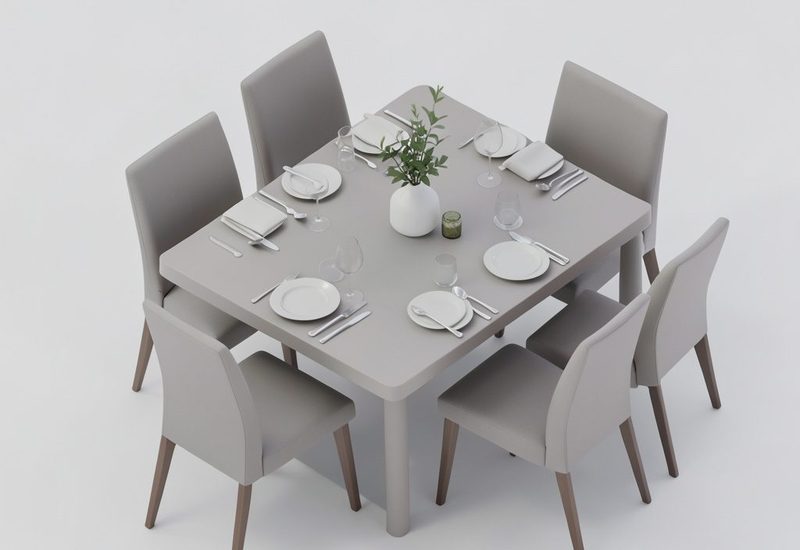
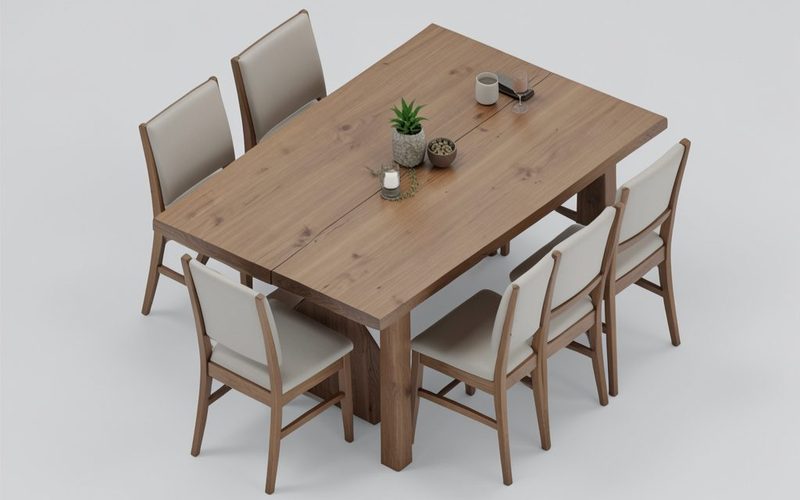
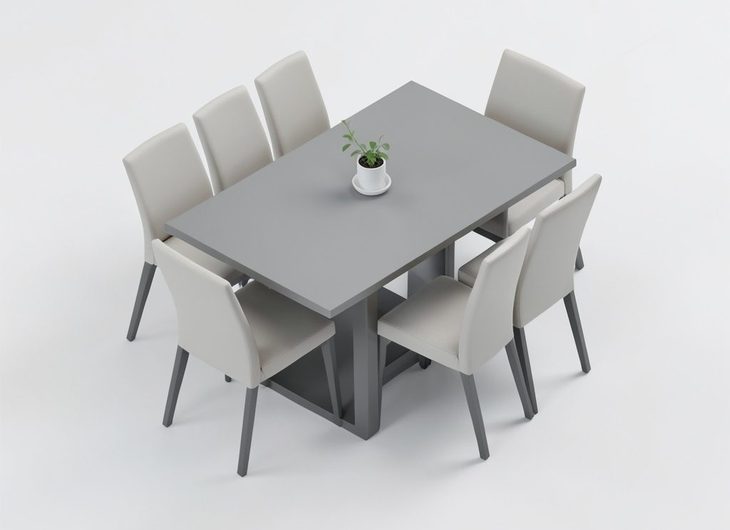
A farmhouse table brings warmth and practicality to a dining space, but its solid timber, generous proportions and familiar shape can make contrasting chairs look accidental. The answer is not to match every piece. Instead, treat the table as the room’s anchor, repeat a few visual cues and give each chair enough space to retain its own character.
A successful mix should feel relaxed rather than styled to the millimetre. Start with the chairs you already own, identify what they have in common and add only the styles needed for balance, comfort and variety. This approach suits Australian homes, where inherited furniture, recent purchases and practical family pieces often share one dining area.
Begin with the table as the anchor
Before choosing chairs, look at the table as a whole. A rectangular top with a pedestal or trestle base sets a different rhythm from a round pedestal table, and a narrow bench can make a long top feel informal. Consider where people enter the room, which side receives the most light and whether a statement chair at either end will interrupt the table’s clean outline.
Once the table is settled, let it determine the balance of the chairs. Two substantial end chairs can frame a slimmer set of side chairs, while a bench suits a table with open space underneath. If a narrow room needs a secondary surface, this entryway console styling guide can inform a slim side table nearby.
Choose one repeating cue to hold the arrangement together. It might be a warm timber tone, a simple spindle profile, a matte black finish or the same off-white wall colour used on nearby cabinetry. This shared element prevents the mix from feeling disjointed while allowing painted, cane, leather and upholstered chairs to sit beside one another.
Vary silhouettes without losing cohesion
Mixing works best when the chairs vary in silhouette but share scale and purpose. A spindle-back chair has a light, vertical outline; a ladder-back adds broader horizontal lines; a Windsor-style seat introduces a rounded centre; and an upholstered chair brings a solid block of colour. These differences create rhythm around the table without making the setting feel visually loud.
A broader performance-car design story offers the same lesson in another medium, where repeated proportions make contrasting forms feel related. On a smaller scale, pair two simple ladder-backs with one Windsor chair and a padded end chair. Repeat one shape or finish across the group and let the other details differ.
Comfort should set limits before appearance. Wide upholstered arms need more elbow room than narrow wooden backs, and cane seats can feel airy but less supportive over a long dinner. In most Australian homes the dining table also works for quick lunches, homework and relaxed Sunday roasts, so seat depth, back support and a removable cushion deserve as much attention as the shape.
Coordinate timber, colour and fabric
Start with a restrained palette, then use texture to add depth. Natural timber, oatmeal linen, woven cane and soft charcoal can form a calm base, while olive, rust or deep-blue cushions provide small accents. If the table is dark, lighter chairs prevent the group from disappearing; if it is pale, a few darker frames create definition.
A side discussion of scatter-pay visual rhythm makes the same point visually: scattered elements need recurring shapes to feel deliberate. In the dining setting, repeat the same turned uprights, seat shape or fabric colour on at least two chairs, and echo the table’s timber in another piece rather than trying to reproduce the entire table.
Texture should support the farmhouse character, not imitate a rural set. Combine smooth painted wood with visible grain, nubby linen with clean cotton, and matte metal with a little brass or blackened steel. Keep larger patterns to one element, such as a pair of upholstered end chairs, so the mix remains calm.
Plan the layout for Australian rooms
Australian houses make the practical test especially useful. A narrow Sydney terrace dining room may need chairs that tuck in neatly, while a Melbourne weatherboard home often has a bright, straight-lined room that suits simple profiles. Brisbane houses frequently open the dining area to a verandah or garden, so light materials and visually open chairs can help the space flow.
Allow around 60 cm of table edge for each seated guest, and more when broad upholstered chairs need to be pushed back. A 180 cm rectangular table usually suits six diners, while 200 to 220 cm can host six to eight depending on chair depth. In bright rooms, washable or fade-resistant upholstery is useful where summer sun reaches the table through large windows. Check the floor plan rather than relying on a showroom photograph, and make sure mixed chair backs clear the table edge.
Shopping in Australia is easier when you separate local style from mass-produced uniformity. Australian makers offer solid timber chairs in spotted gum, blackbutt and jarrah, while national retailers such as Bunnings, IKEA Australia and Freedom provide useful comparisons for hardware and finishes. Vintage markets and second-hand dealers are also practical sources for the one-off Windsor or painted piece that completes the group.
Build a balanced chair combination
Before you buy, compare chair height, table clearance and overall width, not just the seat shape. A good mix is usually modest in number, with one or two statement pieces and several quieter supporting chairs.
Chair combinations to try
- Two ladder-backs, one Windsor-style chair and a pair of upholstered end seats.
- Four simple spindle-backs with a padded bench for a relaxed end position.
- Three timber chairs around one cane chair, unified by matching timber tones.
- Two painted dining chairs paired with three natural-wood frames for subtle contrast.
Use the same test for every option: sit in it, leave the table and view the chair from the doorway. If it looks awkward from one side but works in the room, adjust the spacing rather than adding another style.
Measurements and buying checks
- Measure seat height, width and depth against your table and typical diners.
- Check that knees clear the apron or trestle, even when chairs are tucked in.
- Look for replaceable seat pads and accessible spare parts for long-term use.
- Confirm delivery access, assembly needs and the final cost, including any upholstery.
Most successful farmhouse arrangements keep the table calm and let the chairs provide variety. Move a favourite piece to the head, place slimmer chairs where people need to enter, and use the padded seat where someone wants comfort. This distribution gives each form a job while keeping the table the visual centre.
Measure your table, gather the chairs you already own and choose a single shared cue before shopping for additions. Sketch the intended arrangement from above, test the most important seat for comfort, and then place the order. A little restraint will make the finished setting feel welcoming, lived-in and distinctly suited to your home.