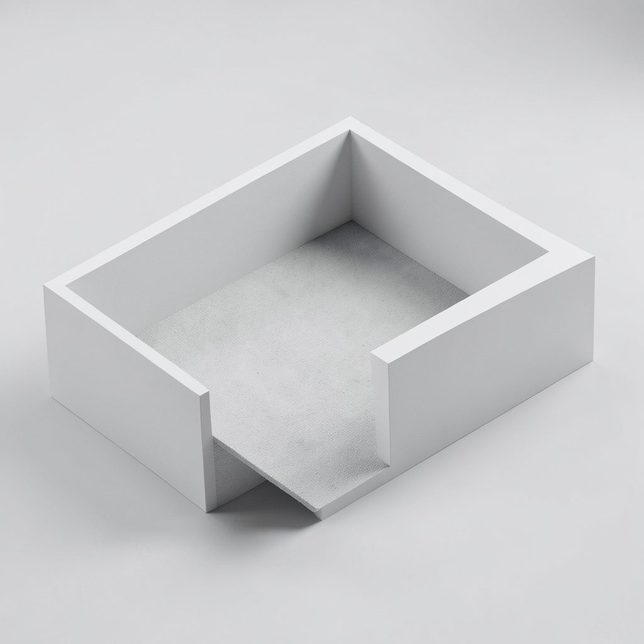
Creative Ways to Style a Console Table in Your Entryway
A console table can turn an overlooked entryway into a useful and welcoming part of the home. It offers a landing place for keys, sunglasses and mail while giving you room to display artwork, lamps, greenery and treasured objects. Even a narrow hallway can benefit from a carefully styled surface.
For Australian homes, the best approach balances appearance with everyday practicality. A Sydney apartment may need a slim profile, while a Brisbane house might call for natural materials that cope well with humidity. The right arrangement should suit the proportions of the space, the way your household enters the home and the relaxed character of local interiors.
| Styling approach | Best suited to | Key elements | Maintenance level |
|---|---|---|---|
| Minimal and sculptural | Small apartments and narrow halls | One lamp, one vase, one artwork | Low |
| Warm and layered | Family homes and larger foyers | Baskets, books, timber and greenery | Medium |
| Coastal Australian | Beachside or light-filled homes | Rattan, pale timber, ceramics and linen | Low |
| Colourful and collected | Period homes and creative interiors | Art, vintage pieces and patterned accessories | Medium |
| Practical drop zone | Busy households | Tray, bowl, hooks and concealed storage | Low |
Choose the Right Shape and Scale
Begin by measuring the entryway rather than shopping by appearance alone. Leave enough clearance for people to walk comfortably, open nearby doors and carry shopping bags through the space. In a narrow Melbourne terrace or a compact Brisbane townhouse, a console with a depth of 25 to 35 centimetres can provide useful storage without obstructing circulation.
The table should relate to the architecture around it. A long wall can support a broad timber console, while a short passage may look better with a compact half-moon or floating design. Aim for a height that feels natural when placing keys on the surface, usually around 75 to 85 centimetres.
Proportion is easier to judge when the console is connected visually to another feature. Centre it beneath a mirror, artwork or wall light, or align it with a nearby doorway. For extra reference when considering how design ideas evolve across different settings, this archival design reference can provide an interesting starting point for thinking about structure, materials and visual balance.
Build Layers with Lighting
Entryway lighting has a practical role, especially in homes where the main ceiling fixture creates harsh shadows. A table lamp adds a softer glow and makes the console feel intentional in the evening. Choose a compact lamp with a stable base, and keep the shade narrow enough that it does not crowd the walkway.
Wall sconces are another useful option when floor and table space are limited. A pair can frame a mirror, while a single sconce can sit beside an artwork or above one end of the console. Renters may prefer a rechargeable lamp or a plug-in wall light that avoids permanent electrical work.
Layer the light at different heights for a more polished effect. Place a lamp on one side, a medium-height vase or branch arrangement on the other and a low tray in front. Warm white globes around 2700K to 3000K generally create a welcoming atmosphere without making timber or painted walls appear too yellow.
Combine Style with Everyday Storage
A beautiful entry table still needs to work as a drop zone. Use a shallow tray for keys and loose change, a lidded box for small items and a bowl for sunglasses. If the household includes children, a lower basket can hold school hats, library books or reusable shopping bags without turning the surface into a cluttered pile.
Concealed storage is particularly useful in open-plan Australian homes where the entry is visible from the living room. A console with drawers can hide chargers and paperwork, while baskets underneath can store shoes or dog leads. Select materials that suit local conditions: sealed timber, powder-coated metal and washable woven fibres are usually easier to maintain than delicate untreated surfaces.
Keep a small amount of empty space on the tabletop. A useful arrangement should allow someone to put down a set of keys without moving three decorative objects first. This simple rule makes the styling feel calm and prevents the entryway from becoming a collection of unrelated accessories.
Use Mirrors, Art and Vertical Space
A mirror is one of the most effective choices for a console table arrangement. It reflects light, gives the hallway greater depth and provides a convenient last glance before leaving the house. Round mirrors soften rooms with many straight lines, while rectangular designs reinforce a modern or architectural interior.
Artwork can create a stronger focal point when the entryway already has plenty of natural light. Consider a large print, a framed textile or a collection of smaller works arranged as a gallery wall. Australian landscapes, abstract coastal colours and botanical illustrations can connect the entry to the wider setting without making the scheme feel themed.
The wall above the console should not be ignored. A peg rail can hold hats and lightweight bags, while a narrow shelf can display photographs or ceramics. In a rental property, removable hooks and leaning artwork offer flexibility. For an entry inspired by road trips and changing landscapes, regional landscape inspiration can help guide a palette of dusty greens, warm ochres and faded blues.
Add Texture and Australian Character
Texture prevents a console from looking like a showroom display. Pair smooth ceramic with rough timber, woven baskets with brushed metal, or a glossy lamp base with a linen shade. These contrasts create interest even when the colour palette is restrained.
Indoor plants work well near an entryway when the available light is suitable. A hardy zamioculcas, snake plant or trailing pothos can cope with many indoor conditions, while a vase of eucalyptus branches adds a distinctly Australian note. Avoid placing living plants directly against painted walls or on unsealed timber, as moisture can cause marks over time.
Local shopping habits can shape the look without requiring an expensive makeover. Vintage stores, weekend markets and independent makers often offer one-off ceramics, framed prints and timber objects with more personality than a matching accessory set. Retailers such as Bunnings, Kmart, Freedom and Temple & Webster also make it easy to combine practical storage with decorative pieces at different price points.
Seasonal changes can refresh the arrangement. In summer, use pale ceramics, woven textures and fresh greenery; in winter, introduce darker glass, warm timber and a small stack of design books. Keep the core pieces consistent so the entry remains coherent rather than becoming a constantly changing display.
Start with the console itself, then add one functional item, one light source and one piece of vertical decoration. Step back to check the balance from the front door and remove anything that feels crowded. A carefully edited entryway can make daily arrivals smoother while expressing the character of the home.
Use these ideas to create a console display that suits your floor plan, storage needs and personal style. A few well-chosen pieces can give even a modest hallway a clear focal point, a warmer atmosphere and a practical place to begin and end each day.