Mismatched chairs at a dining table: make them work
A dining table is the anchor of a room, while the chairs around it can carry more personality. Mismatched chairs at a dining table become a problem when every piece competes for attention; they look intentional when scale, colour and spacing create a clear rhythm. The aim is not perfect matching. It is a room that still feels calm after everyone has taken a seat, cleared a plate and pushed the table back into place.
Begin with the table you already have, the chairs you want to keep and the way the room is used. A deliberate scheme can combine inherited pieces, inexpensive finds and modern purchases. Choose a shared colour, repeat one material or shape, and give each chair enough breathing room. Those simple connections usually matter more than trying to recreate a catalogue set.
Start with the table and the room
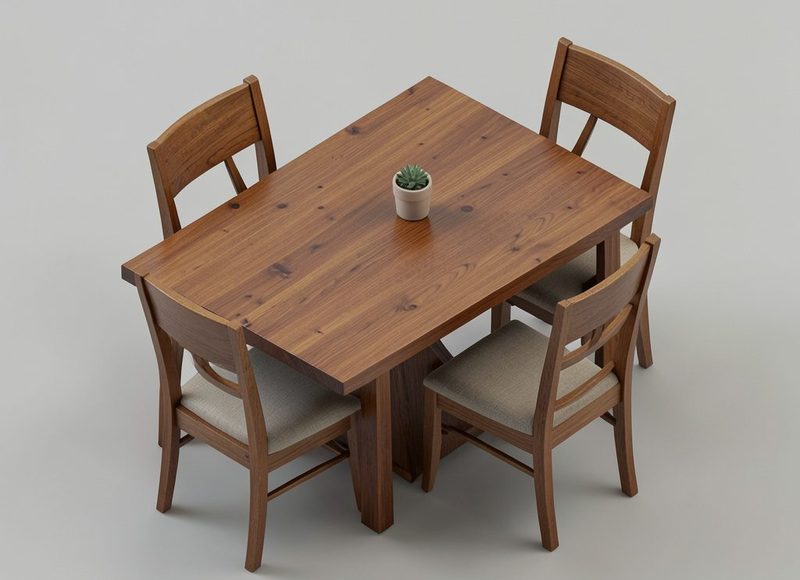
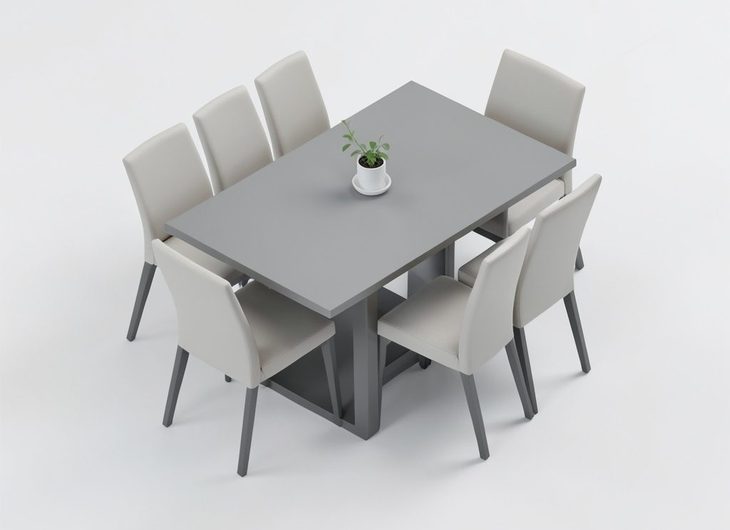
Decide whether the table or the seating should dominate. A substantial timber table can support slim wooden chairs, while a pale pedestal table may suit darker upholstered seats. If the table is small, choose chairs with narrow profiles so people can move around it without scraping the floor or blocking a walkway.
Open-plan homes in Sydney and Melbourne often place the dining table beside the kitchen, making every colour visible from the living area. Check the room from more than one angle, including from the doorway. A scheme that looks balanced at the table can appear lopsided when viewed across the open-plan space.
Use the room’s fixed features to guide you. Existing timber floors, a stone benchtop or a particular wall colour can become the basis for your chair palette. When combining inherited furniture with newer pieces, this Australian design resource offers useful context for creating a home that feels layered rather than accidental.
Create a controlled colour palette
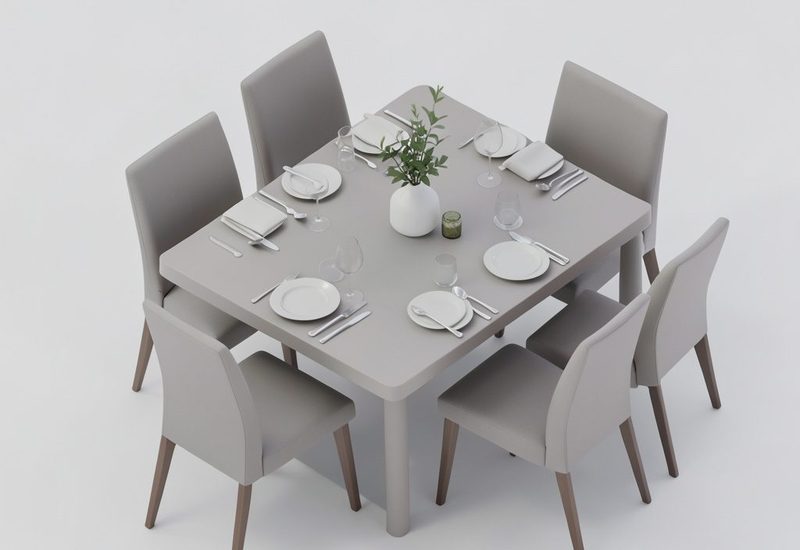
Limit the main colours to two or three, then allow small accents to vary. For example, a warm timber table could be paired with cream, olive and charcoal chairs, with occasional touches of rust or blue. Repeating one colour across two chairs helps separate different shapes and makes the group read as a collection.
Consider how Australian sunlight changes throughout the day. Pale timber can look golden near a west-facing window, while the same finish may appear cooler beside a shaded wall. Test fabric samples and paint colours in the actual room, preferably at different times. Brisbane’s strong summer light may need a darker anchor, while a room with softer northern light can handle a lighter scheme.
Coordinate rather than match. Natural timber tones work well together even when the grain differs, and a shared metal finish can connect painted, woven and upholstered chairs. Upholstery is especially useful for hiding small differences, but keep the weave or texture consistent if you want a polished result.
Balance chair shapes and scale
Mixing chair silhouettes creates interest, but each shape should have a clear role. Pair one broad or high-backed chair with several simpler seats rather than placing several ornate designs side by side. This gives the arrangement a focal point without making the table feel crowded.
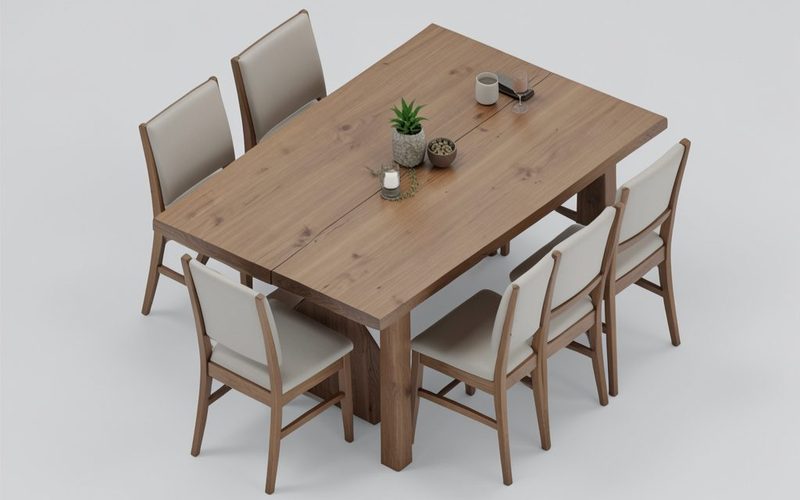
For a timber table with apron legs or a farmhouse profile, this example of mixing chair styles shows how a bold chair can sit comfortably beside quieter forms. Cane backs, curved timber frames and upholstered seats can all work around the same table if they share a scale and a restrained palette.
Check the width of each chair as well as its style. A dining chair around 45 centimetres wide leaves adequate space for a place setting, while wider occasional chairs may work better at the ends of the table. Seat height should also be consistent, particularly when an upholstered chair is mixed with a slim wooden design.
Check comfort, spacing and daily use
A coordinated room still fails if the chairs are uncomfortable. Most dining tables stand around 74 to 76 centimetres high, so the usual gap between the seat and the underside of the table is approximately 25 to 30 centimetres. Test this with every chair, including footrests and deep seat cushions.
Allow enough space to pull a chair back and stand up. In a compact Sydney or Melbourne apartment, a walkway of about 90 centimetres can make a small dining zone feel usable. In a larger suburban room, leave more space between the table and nearby furniture so the different chair shapes do not appear crowded together.
Think about the Australian climate and household routine. Dining near a verandah exposes seats to sunlight and humidity, while timber finishes may fade or crack if repeatedly exposed. Choose washable upholstery where children, pets or regular meals are likely, and use seat pads if you want to introduce colour without reupholstering every chair.
Restore, refresh and source locally
Inspect every chair before combining it with the others. Check for loose joints, uneven legs, worn seat supports and faded finishes. A simple clean, tightening of screws and refinishing of timber may be enough to give an older chair a new role in the room.
Upholstery can change the proportions and character of a piece without changing its frame. If you want to retain a statement wingback chair, this budget reupholstery guide explains how to assess the chair, select a suitable fabric and keep the project affordable. A bright new seat can also help an older chair fit into a more contemporary setting.
Local marketplaces offer plenty of possibilities. Bunnings and IKEA Australia are useful for affordable materials and simple replacements, while Gumtree can reveal locally made or recently upholstered chairs. Check measurements in person, ask sellers for the seat height and inspect any wear carefully. Custom orders from Australian makers may require several weeks, so allow time before a dinner or event.
Build a simple plan before you commit
Before shopping, gather the chairs you own and the pieces you are considering into one place. View them beside the table, not as isolated products. A quick reference list will make it easier to judge the colour, spacing and practical requirements before spending money.
- Measure the table length, width and height, then measure every candidate chair.
- Choose two or three main colours based on the table, floor and surrounding room.
- Repeat one timber tone, metal finish or fabric across the group to create continuity.
- Test each chair at the table and check how comfortably a person can sit and stand.
- Set a total budget for repairs, upholstery and new purchases before ordering anything.
- Photograph the arrangement from several angles and reassess it in different lighting.
Keep the first arrangement flexible. Leave open spaces for additional chairs, move the existing seats and try different positions before drilling holes or buying matching upholstery. If one chair feels too dominant, shift it to an end or replace its seat rather than redesigning the whole room.
Measure the table tonight, collect the available chairs and select the shared colour that will hold them together. A short shopping list and a clear visual plan will make the final combination feel chosen, harmonious and ready for everyday dining.