Reviving a Tired Dining Table with Paint or Stain
A solid timber table sits at the heart of many Australian homes — from sandstone cottages in Adelaide to weatherboard Queenslanders in Brisbane and inner-west Sydney terraces. After a decade of weeknight dinners, school projects, and long summer lunches, even the toughest piece starts to feel dated. Scuffs build up, the colour drifts out of fashion, and the table no longer reflects how you live.
Refreshing a tired table doesn't mean sending it to the tip. Most pieces, even the heavy jarrah and blackbutt ones found across Aussie homes, can be transformed in a weekend with careful prep and either paint or stain. Paint opens up a wider world of colour, while stain celebrates the existing timber grain. The right choice depends on the look you want and the household it has to survive.
Before picking up a brush, weigh the two approaches. The table below compares paint and stain across the things that matter to renovators, from prep time to how the finish holds up to family life. For more inspiration on giving pre-loved furniture a second chapter, dreamingincmyk.com collects a wide range of Australian before-and-after projects.
Paint vs Stain at a Glance
| Aspect | Paint | Stain |
|---|---|---|
| Best for | Veneer, MDF, dated timber needing coverage | Quality hardwood with attractive grain (jarrah, blackbutt, spotted gum) |
| Colour range | Unlimited — coastal whites, eucalyptus, charcoal | Tones only — light oak, walnut, ironbark |
| Hides imperfections | Yes | No — highlights grain and any marks |
| Prep time | Moderate to high (sand, primer, two coats) | Lower — usually sand and wipe-down |
| Drying between coats | 4–8 hours | 2–4 hours |
| Durability | Excellent with hard enamel or mineral paint | Excellent with hard wax oil topcoat |
| Repairability | Touch-ups can show; full repaint easiest | Easy to re-stain or sand back later |
| Cost (AUD) | $60–$180 in materials | $40–$120 in materials |
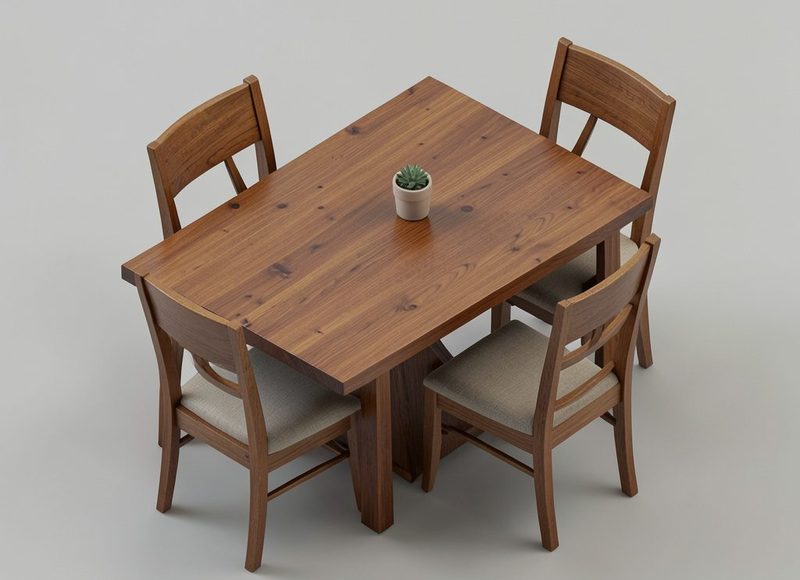
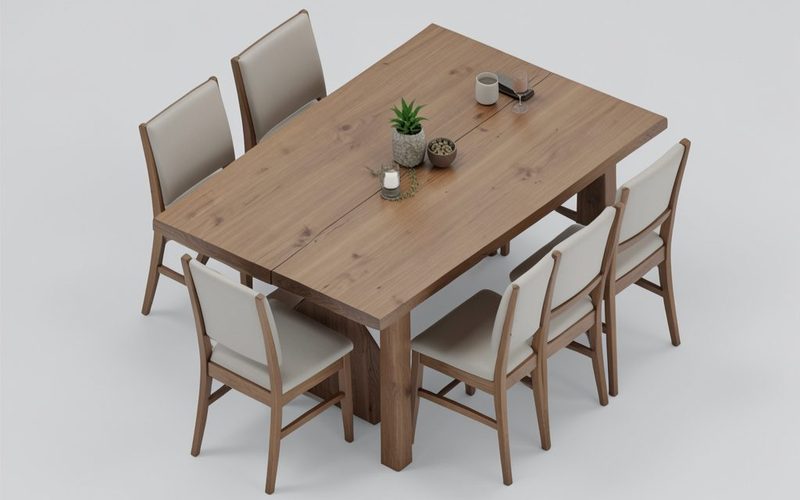
Paint is a new outfit for the table, while stain is a tailored refresh that lets the timber speak. Sydney renovators tackling a 1970s teak piece often lean toward stain to keep that warm retro character. A tired 1990s pine table in a busy Perth kitchen, on the other hand, usually benefits from chalk paint that hides the chaos of toddler years. For a true family heirloom like a blackwood piece passed down through generations, stain preserves both look and value, while paint suits pieces you bought rather than inherited.
Consider the timber under your hands before deciding. A solid 40mm top of jarrah or blackbutt will reward stain with decades of warmth; a thin veneered MDF table from a flat-pack heyday rarely will. The room also plays a part, since a sun-drenched nook can bleach a dark stain over time, while matte paint holds its tone through long Australian summers.
Preparing the Surface for a Lasting Result
Whatever finish you choose, prep is the difference between a piece that lasts a decade and one that chips within months. Remove old hardware and clean thoroughly with a sugar-soap substitute to lift grime and old polish. Lightly sand with 180-grit paper, working with the grain so you don't score soft fibres, then wipe down with a tack cloth to remove every trace of dust.
Australian timbers vary widely, and a quick identification pays off. Jarrah and marri contain tannins that bleed through pale paint, so an oil-based or shellac-based primer is essential. Blackbutt and tasmanian oak accept most finishes happily, while pine and radiata absorb stain unevenly and almost always need a conditioner. The principles that apply when restoring a vintage chair follow a similar prep-then-finish rhythm and translate well to most dining pieces.
Painting for a Fresh New Look
Paint is the right call when the grain is unremarkable, the veneer is peeling, or you simply want a colour change. Chalk paint and mineral paint are popular across Australia because they grip almost any surface with minimal priming and finish with a soft, matte look suited to coastal and country interiors. For kitchen tables that see daily spills, a hard-wearing enamel or a mineral paint sealed with polyacrylic stands up best.
Australian colour choices lean into the landscape. Softened whites, sage greens, deep eucalyptus, and the inky blues of a winter Bass Strait sky suit modern farmhouses from Geelong to Hobart. For something bolder, charcoal or oxblood creates a dramatic anchor in an open-plan living area.
Colours worth considering
- Heritage cream or mill finish white for Hamptons-style homes
- Eucalyptus, olive, or pickle-green for a nod to the bush
- Ink blue or charcoal for contrast against pale timber floors
- Terracotta or warm clay for outdoor Mediterranean-inspired settings
Always test on the underside of the table first. Light and existing stain can change how a colour reads — a crisp white on a Bunnings chip can turn cream once it meets warm timber undertones, and what felt right in the store might feel cold once it sits under your dining lights.
Staining for a Warm Timber Refresh
Stain is the path to take when the timber is the star. A jarrah table from a Perth estate sale, a blackbutt bench rescued from a Brisbane reno, or a piece of spotted gum held onto since the Adelaide Hills can all come back to life with a careful stain and seal. The first step is choosing a stain type that suits your level of experience.
Water-based stains are low-odour and quick-drying, ideal for apartments and townhouses where ventilation is limited. Oil-based stains penetrate deeper and give richer colour but need longer drying windows. Gel stains are forgiving for beginners because they sit on top rather than soaking in unevenly — a real bonus for soft timbers like pine, which drink stain at different rates across the grain.
Practical tips for a clean stain
- Condition soft or porous timber first to avoid blotchy patches
- Apply with a natural-bristle brush or lint-free cloth in long, even strokes
- Wipe off excess within five to fifteen minutes, depending on the brand
- Build colour gradually with thin coats rather than one heavy pass
- Finish with hard wax oil, polyurethane, or tung oil rated for food-contact surfaces
Treat online reviews carefully, since inflated or misleading commentary often signals information isn't being shared in good faith. The same patterns that show up around rigged offshore casinos can appear in product reviews too. Trust reviewers who name specific products, share real photos, and acknowledge flaws.
Sealing, Curing, and Long-Term Care
The topcoat is where most DIY table renovations succeed or quietly fail. Paint needs a durable sealer in kitchens — water-based polyacrylic for chalk-paint finishes, or a tough acrylic enamel for heavy daily use. For stain, hard wax oil brings out the timber's depth and is easy to spot-repair, while polyurethane delivers the hardest finish but shows scratches more obviously once they appear.
Australian conditions make this step especially important. High UV along the east coast, dry heat inland, and coastal humidity all stress finishes differently. A table near a north-facing window in a Sydney apartment needs more frequent resealing than one in a shaded Melbourne dining room. Allow the full manufacturer's cure time, often 21 to 30 days, before hosting messy meals or letting the kids loose with textas.
For ongoing care, wipe with a damp microfibre cloth rather than chemical polishes. Use coasters and placemats, put felt pads under vases, and rotate the table a few degrees every season to even out sun exposure. Once a year, buff the surface lightly with a maintenance oil or beeswax-based balm to keep the finish supple, particularly through the long, dry summers across southern Australia.
Reviving a tired dining table is one of the most satisfying weekend projects an Aussie homeowner can take on. The transformation costs a fraction of a new dining set, keeps a perfectly good piece out of landfill, and gives you a table that fits how your household actually lives today. Grab your brushes, give your old faithful a proper wash and sand, and let paint or stain do the rest — your next family dinner might just happen around a piece that finally feels new again.