Materials That Keep Dining Furniture Looking Good for Years
Dining furniture has to cope with far more than occasional meals. It supports homework, weekend breakfasts, birthday cakes, board games and the everyday rush of an Australian household. A durable dining table or chair should handle spills, movement, changing temperatures and frequent cleaning without losing its character.
The best choice depends on how the room is used, the look you want and the conditions around the home. A coastal property may expose furniture to salty air and humidity, while a Melbourne dining room can experience dry indoor heating in winter and strong sunlight through large windows. Material selection deserves the same care as choosing the table’s size or shape.
Solid timber remains popular because it can be repaired, refinished and adapted over time. Stone, metal, quality veneer and modern composites also have useful strengths. The right combination can create a room that feels welcoming while reducing the need for replacement furniture.
When comparing top materials for long-lasting dining room furniture, look beyond the showroom finish. Examine the construction, surface treatment, joinery, maintenance requirements and suitability for local living. A beautiful material is a good starting point, but thoughtful manufacturing is what gives it staying power.
Solid Timber For Character And Repairability
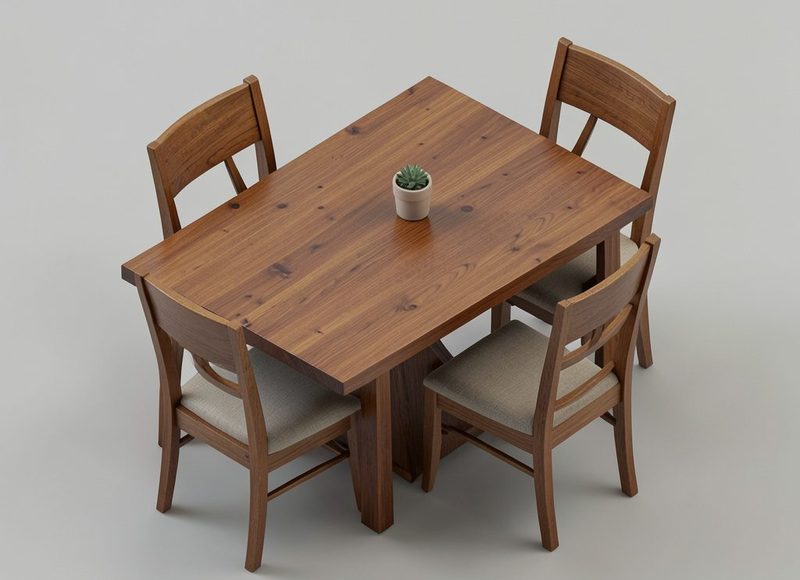
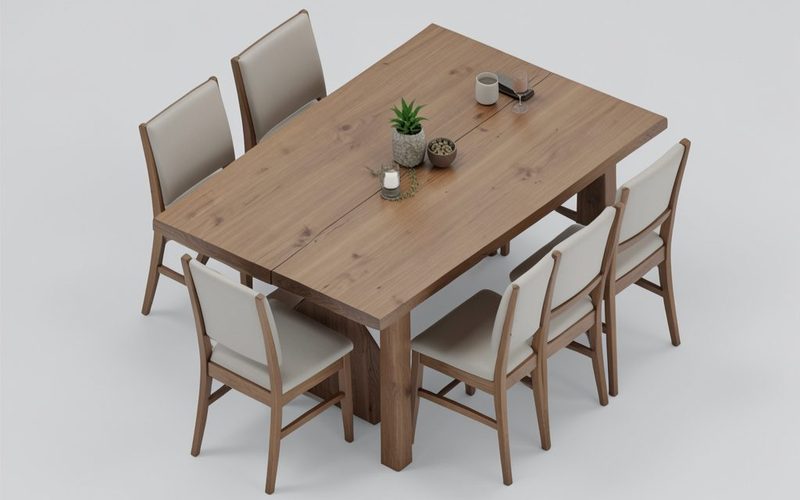
Solid hardwood is one of the strongest options for a dining table, particularly when the wood has been properly seasoned and the frame is well constructed. Australian species such as blackbutt, spotted gum and jarrah offer distinctive grain patterns and useful hardness. They can bring warmth to an open-plan home where the dining area connects with the kitchen and living room.
Timber also ages gracefully. Small marks can often be sanded out, while a new oil or protective coating can refresh the surface. This makes a hardwood table appealing for families who prefer furniture that develops patina instead of looking disposable. A local cabinetmaker or experienced tradie can sometimes repair a damaged leg, drawer or edge rather than replacing the entire piece.
Moisture control matters. Keep timber away from persistent dampness, wipe up spills promptly and avoid placing hot cookware directly on the surface. In humid areas such as Cairns or coastal New South Wales, allow air to circulate around the furniture and choose a finish designed for the conditions.
Engineered Timber And Quality Veneer
A high-quality timber veneer uses a thin layer of real wood over a stable core, often plywood or a carefully manufactured board. This construction can provide the appearance of solid timber while reducing movement caused by fluctuations in temperature and humidity. It is especially practical for large dining tables, where a broad solid-wood panel may expand and contract noticeably.
Plywood is generally valued for its layered strength and reliable screw-holding capacity. Medium-density fibreboard can create a smooth, stable surface, although its long-term performance depends heavily on edge sealing and protection from water. Cheap boards with poorly finished edges are more vulnerable to swelling after repeated spills.
Inspect the underside, table edge and joinery before buying. A convincing grain pattern on top does not guarantee a durable structure beneath it. For inspiration about proportion, typography and visual presentation in interiors, this design reference can sit alongside furniture gallery research, helping you compare finishes without focusing only on colour.
Stone, Ceramic And Glass Surfaces
Natural stone creates a substantial, architectural feel. Granite is hard-wearing and generally resistant to heat and scratching, while marble offers distinctive veining but requires more care because it can stain or etch. Stone dining tables are heavy, so check that the floor and base can support the weight and make sure delivery access works in an Australian terrace, apartment or older Queenslander.
Sintered stone and porcelain ceramic surfaces are increasingly useful alternatives. They can imitate marble, concrete or timber while offering strong resistance to heat, fading and everyday marks. The quality of the edge and the support underneath remains important; a thin slab with an inadequate frame may chip even when the surface itself is highly resilient.
Glass can make a smaller dining room feel lighter and more spacious. Tempered glass is safer and stronger than ordinary glass, but fingerprints, crumbs and scratches are easy to notice. It suits households prepared to wipe the table regularly, rather than people seeking a low-maintenance surface for messy family meals.
Metal Frames And Practical Finishes
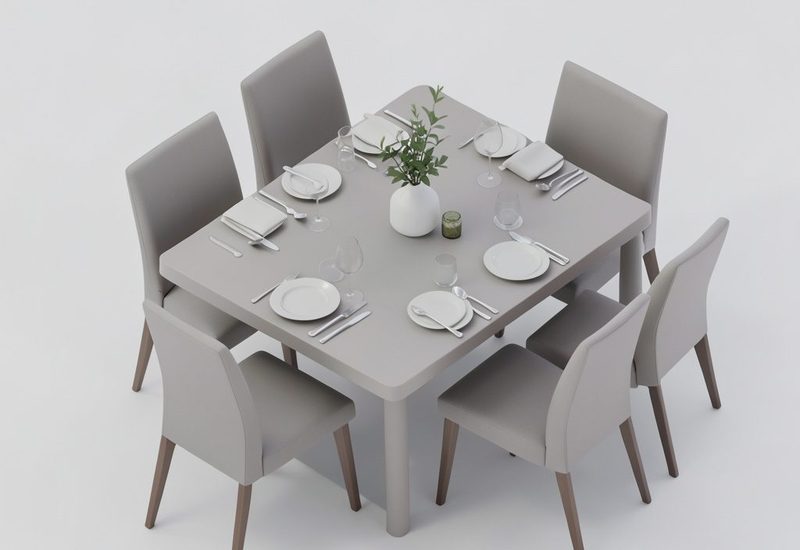
Steel and aluminium are valuable in dining chairs, table bases and occasional furniture. Powder-coated steel provides a tough, even finish in many colours, while stainless steel is useful where moisture and frequent cleaning are concerns. Aluminium is lighter and can be practical for homes that move furniture between an indoor dining area and a covered alfresco space.
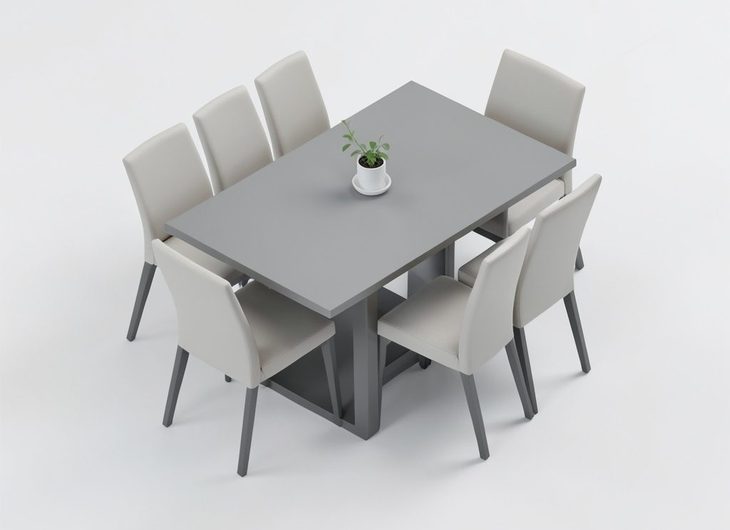
Metal works particularly well when paired with timber, stone or compact laminate. A strong frame can extend the life of a table even if the top eventually needs refinishing. Look for level feet, sound welds and fixings that can be tightened. A wobbly base will place stress on the top and become irritating long before the material itself wears out.
Finishes should suit the cleaning products used at home. Harsh chemicals can dull coatings, and abrasive pads may leave permanent marks. Advice about selecting durable surfaces often overlaps with broader kitchen material decisions, including this guide to choosing a kitchen faucet, where practical maintenance and compatibility also matter.
Choosing Materials For Australian Homes
Climate, household habits and room placement should guide the final decision. In Sydney or Perth, strong afternoon sun can fade timber stains and upholstered dining chairs near a window. In Brisbane, humidity makes moisture-resistant finishes and good ventilation especially worthwhile. In cooler Melbourne homes, placing furniture beside a heater can dry timber unevenly and contribute to movement or cracking.
Australian lifestyle patterns also influence the choice. Open-plan kitchens often turn the dining table into a workbench, study desk and entertaining hub. Families may need a surface that tolerates sauce spills and craft supplies, while apartment dwellers may prioritise a slim profile and lighter chairs. In regional areas, delivery, replacement parts and local repair skills can be more important than a fashionable finish.
A durable dining set should be easy to live with, not merely impressive in photographs. Use the following checks when comparing options in showrooms, online galleries or second-hand listings:
- Choose solid hardwood, quality plywood or a well-supported engineered core.
- Check that table legs and chair joints are firmly fixed and easy to tighten.
- Select a finish suited to spills, sunlight, humidity and regular cleaning.
- Consider repairability, including whether the surface can be sanded or recoated.
- Measure doorways, lifts and stairwells before ordering heavy stone furniture.
- Match the material to daily use rather than choosing solely for appearance.
For visual ideas, archived design material such as these earlier design notes can help reveal how proportion, surface texture and furniture placement work together. Treat inspiration as a starting point, then assess the construction details and care instructions of the specific piece.
A dining room becomes more useful when its furniture can withstand real routines. Pair a resilient surface with strong joinery, sensible placement and simple maintenance, and the room will remain comfortable through family dinners, summer gatherings and years of changing decor. Explore furniture galleries, compare materials closely and choose pieces built for the way your Australian home is actually lived in.