The Ultimate Guide to Cleaning Upholstered Chairs
Upholstered chairs bring warmth, colour and comfort to dining rooms, studies, bedrooms and living areas. Their fabric can also collect crumbs, body oils, dust, pet hair and accidental spills, so regular care is essential for keeping the material fresh and the chair structurally sound.
The safest approach combines gentle vacuuming, fabric identification, careful spot treatment and thorough drying. Australian homes have their own cleaning concerns, from Brisbane humidity and Sydney’s coastal air to Melbourne dust, busy family dining areas and rental inspections. A practical routine helps protect both the appearance and lifespan of your chairs.
Identify The Fabric Before Cleaning
Begin by looking beneath the seat or along the chair frame for a care label. Common codes include W for water-based cleaning, S for solvent-based products, WS for either method and X for vacuuming only. If there is no label, test a hidden area with a small amount of the proposed cleaner and wait until it dries.
Different upholstery fibres respond in different ways. Cotton and linen can develop water marks, velvet may show pressure changes, and natural wool needs a particularly restrained approach. Synthetic fabrics such as polyester and microfibre are often more forgiving, but they can still discolour or develop rings when oversaturated.
Check the condition of the chair before applying anything wet. Loose seams, exposed foam, cracked vinyl or weakened webbing may worsen during cleaning. If the upholstery is antique, hand-dyed, heavily stained or part of a valuable furniture set, a specialist upholstery cleaner is safer than experimenting with household products.
Remove Dust, Crumbs And Loose Debris
Vacuum upholstered chairs once a week in busy homes and at least every fortnight in quieter rooms. Use the upholstery nozzle at low suction, moving slowly over the seat, back, sides and underside. A soft brush attachment can lift dust from textured fabric without dragging the fibres.
Pay attention to seams, piping, buttons and the gap between the seat and backrest. Crumbs often settle in these areas, where they may attract insects or become ground into the cloth. A narrow crevice tool is useful, although it should be kept just above delicate fabric rather than pressed hard against it.
Australian households often leave doors and windows open for ventilation, particularly during warm weather. That habit can bring in pollen, fine dust and outdoor grit. Homes near busy roads or construction sites may need more frequent vacuuming, while pet owners should use a rubber brush or lint roller after vacuuming to collect stubborn hair.
Treat Spills Quickly And Carefully
Blot fresh spills with a clean white cloth or plain paper towel. Press from the outside of the mark towards the centre to avoid spreading it. Rubbing can roughen the surface, push liquid deeper into the padding and create a pale or shiny patch.
For a water-safe fabric, mix a small amount of mild detergent into lukewarm water. Apply foam rather than a large quantity of liquid, then dab lightly and remove residue with a barely damp cloth. Always use a separate dry towel to absorb moisture between treatments.
Grease, coffee and red wine each need a cautious approach. Scrape dried food with a blunt spoon, lift greasy residue with an appropriate upholstery solvent if the care label allows it, and absorb coffee before it dries. For wine or coloured drinks, avoid bleach and strong household disinfectants, which can permanently strip dye. If an accident occurs while entertaining, deal with it immediately rather than waiting for a full cleaning day.
Deep Clean Without Overwetting
When the care label permits water-based cleaning, prepare the chair in a well-ventilated room. Vacuum first, remove cushions if possible and protect wooden legs from splashes. Work in small sections with a lightly damp cloth or upholstery brush, keeping the fabric moist rather than saturated.
Excess water is one of the main causes of upholstery problems. It can leave tide marks, loosen adhesives, encourage mildew and allow moisture to reach the foam. This matters in humid areas such as Brisbane, Cairns and parts of the Northern Territory, where a chair may dry slowly. Use fans, open windows and indirect airflow, but avoid placing wet upholstery in harsh midday sun.
Steam cleaning can be effective on suitable synthetic fabrics, yet it is not automatically safe for every chair. Heat and moisture may damage delicate fibres, laminated backing or timber components. If using a hired machine, follow its dilution instructions precisely and make a test pass in an inconspicuous place. A reliable coffee machine guide may be useful when creating a home refreshment station, but drink preparation areas should still be positioned away from fabric seating to reduce future spills.
Deal With Odours, Stains And Everyday Wear
Odours often come from absorbed food, perspiration, pets or damp padding rather than surface dirt alone. After vacuuming, sprinkle a small amount of bicarbonate of soda over a compatible dry fabric, leave it for a short period and vacuum thoroughly. Do not use this method on damp upholstery, and avoid leaving powder in seams where it may be difficult to remove.
Pet accidents and milk-based spills require prompt attention because they can penetrate the cushion filling. Blot repeatedly, use a fabric-safe enzymatic cleaner if the label allows it and dry the chair completely. Strong perfumes can mask odours temporarily while leaving additional residue, so they are rarely a good substitute for cleaning.
Uneven fading is another form of everyday wear. In Australia’s strong sunlight, chairs placed near north- or west-facing windows may fade faster than furniture in shaded rooms. Rotate removable cushions, use blinds or curtains during the brightest hours and keep furniture a little away from glass where practical. These simple changes help preserve colour and reduce heat exposure.
Maintain The Chair And Protect Its Finish
Prevention is easier than repeated stain removal. Use washable throws in homes with children or pets, encourage guests to avoid placing damp clothing on fabric seats and keep food trays stable. A chair used at a dining table will benefit from quick vacuuming after meals, especially if its upholstery has a textured weave.
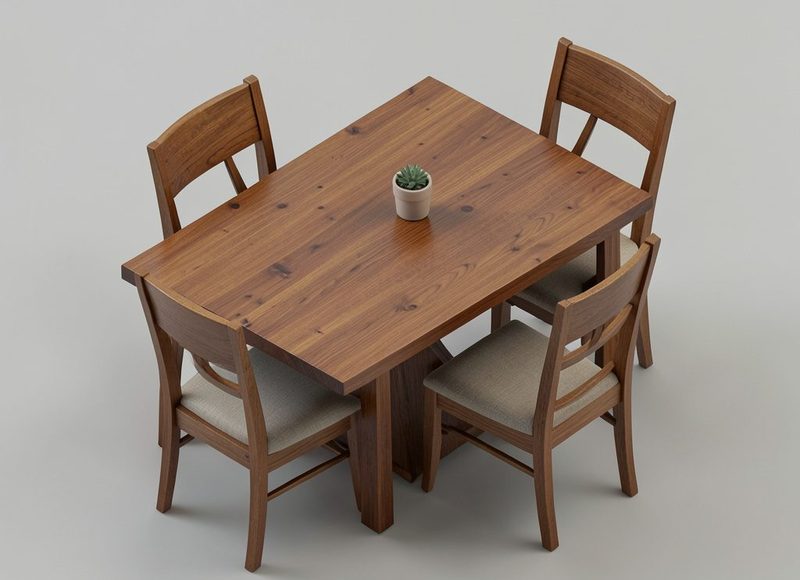
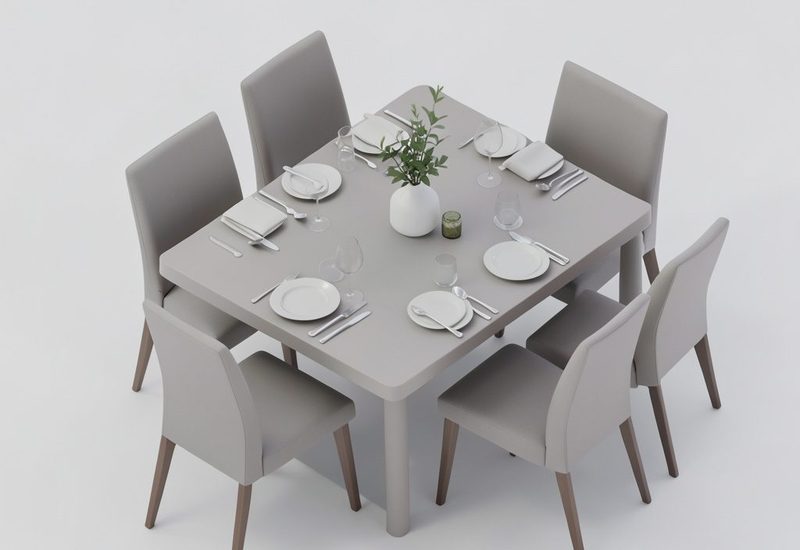
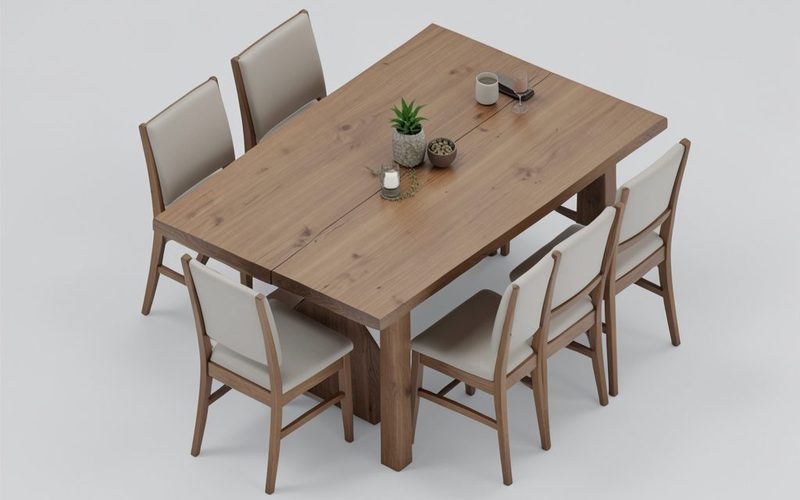
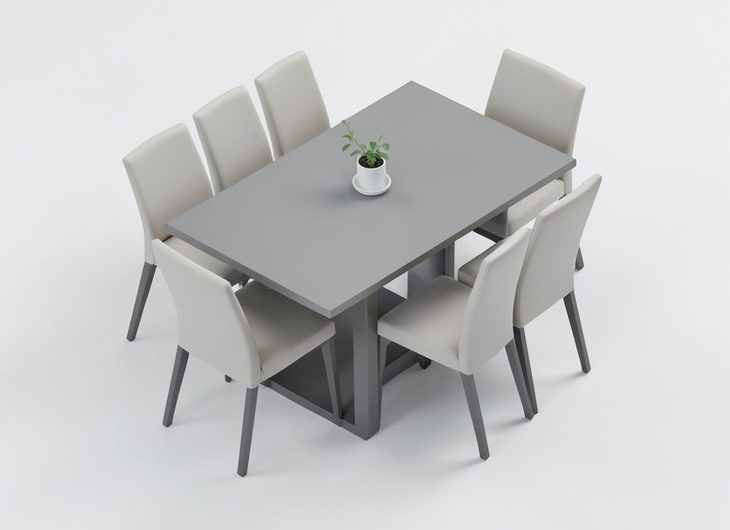
Furniture layout also affects maintenance. Leave enough space around chairs for vacuuming and avoid scraping them repeatedly against walls or tables. When updating a compact dining area, consider proportions, clearance and cleanability alongside appearance; this small-space table guide can help coordinate table dimensions with the surrounding seating.
Australian rental homes need particular care before moving out. Tenancy rules differ between states and territories, but renters are generally expected to return furniture and premises in a condition consistent with the entry report, allowing for fair wear and tear. A tenant should not automatically accept a demand for replacement when professional cleaning or ordinary use is the real issue. Keep dated photographs, follow the care label and check the relevant state tenancy authority if a bond dispute arises.
For routine upkeep, vacuum weekly, inspect spills immediately and deep clean only when the fabric and conditions allow it. Never store or use a chair while its padding is still damp. With gentle handling, good ventilation and sensible protection from sunlight, upholstered seating can remain comfortable and presentable for many years.
Build a simple upholstery-care kit with white cloths, a soft brush, a vacuum attachment, mild detergent and a fabric-approved stain remover. Test every product first, treat marks promptly and schedule a careful seasonal clean before entertaining, moving house or completing a rental inspection.