Tabletop Lighting Ideas For A Warm Australian Home
Tabletop lighting can change the character of a room without replacing furniture, repainting walls or adding permanent wiring. A small lantern on a console, a pair of candles on a dining table or a rechargeable lamp beside an armchair can create a softer, more welcoming atmosphere in minutes.
The best choice depends on the mood, the furniture around it and the practical conditions of the room. A candle suits a slow dinner, while a portable LED lamp is more useful on a balcony, verandah or outdoor table where wind can quickly extinguish a flame.
Australian homes also need lighting that works with strong daylight, open-plan layouts and alfresco living. In Queensland, humidity may influence the materials you choose, while a Melbourne apartment may benefit from warm illumination during long winter evenings. These local details are just as important as colour and style.
| Lighting option | Best for | Main advantage | Watch out for |
|---|---|---|---|
| LED lantern | Verandahs, balconies and casual gatherings | Portable and often rechargeable | Choose a warm colour temperature |
| Candle lantern | Dining tables and relaxed entertaining | Natural flicker and visual charm | Keep away from curtains and children |
| Tealight or pillar candle | Centrepieces and occasional use | Affordable and decorative | Wind, heat and wax spills |
| Table lamp | Living rooms, bedrooms and consoles | Reliable everyday illumination | Needs a nearby power point unless rechargeable |
| Cordless accent lamp | Small tables and outdoor entertaining | Flexible placement | Battery life and weather resistance |
| String-light vessel | Parties and festive styling | Adds sparkle in a compact area | Can look cluttered if overfilled |
Build A Warm Pool Of Light
Ambience comes from contrast rather than brightness alone. A ceiling light may illuminate the whole room, but a low lamp or lantern creates a visual resting point. Place it beside a sofa, at the end of a dining table or on a sideboard so the eye notices several gentle layers instead of one harsh source overhead.
Warm white bulbs around 2200K to 2700K generally produce a golden glow that suits timber, linen, rattan and earthy paint colours. Neutral white light can be useful for reading or serving food, but it may feel clinical in a lounge room. If a lamp has dimming controls, set it brighter while preparing dinner and lower it once guests sit down.
For evening entertaining, avoid positioning a bright lamp directly behind a television or opposite a reflective window. Glare can make the room feel less restful. If a gathering includes a game or online entertainment, a shaded lantern can keep cards and faces visible without washing out a screen; even a Wednesday reload bonus discussion is easier when task light and ambient light are balanced.
Choose Materials That Suit The Setting
Glass lanterns offer a clean, classic look and allow the flame or LED filament to remain visible. Frosted glass softens the glow, while clear glass creates sharper highlights across a table. Metal lanterns are more graphic and can suit industrial, coastal or contemporary interiors, especially in black, aged brass or brushed steel.
Timber, bamboo, rattan and woven seagrass bring texture to a neutral room. They work particularly well with Australian coastal and relaxed contemporary schemes, although natural fibres should be kept away from open flames. For a safer version, use a battery-operated candle inside the vessel and look for a realistic flicker rather than a blue-toned LED.
Outdoor placement requires extra care. A sheltered Sydney balcony may handle a decorative lantern, but exposed areas need weighted bases and weather-resistant finishes. In Brisbane or Darwin, condensation and humidity can affect untreated metal, while strong western sun can fade fabric shades and some plastics. Bring decorative pieces indoors when storms or severe heat are expected.
A Simple Styling Guide
A few repeatable combinations make it easier to create a cohesive display without filling every surface. Select one dominant material, one supporting texture and a warm light source, then leave enough empty space for the arrangement to breathe.
- Pair a smoked-glass lantern with dark timber and charcoal linen for a moody dining setting.
- Use a ceramic lamp, woven basket and pale cotton textiles for a softer coastal scheme.
- Place two mismatched candle holders on a tray to give a casual, collected appearance.
- Combine a rechargeable lamp with terracotta pots for a relaxed alfresco table.
- Match aged brass details with cream candles and warm timber for a traditional room.
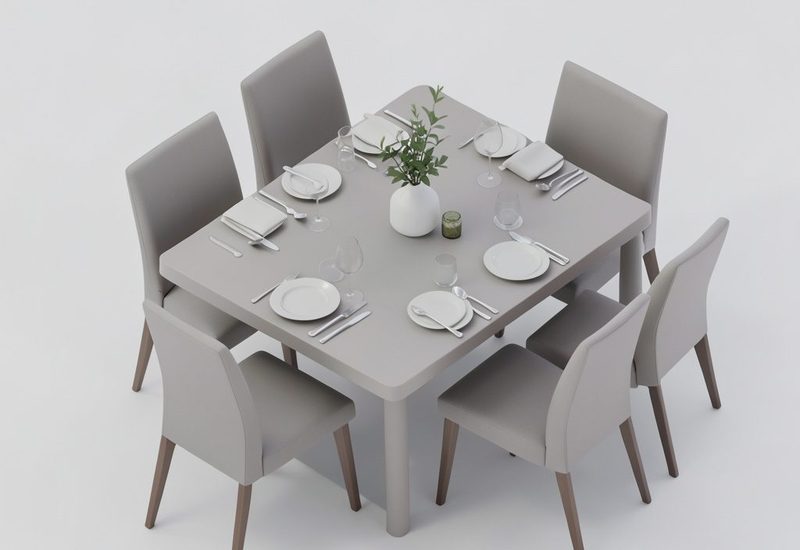
Scale matters as much as colour. A tiny tealight can disappear on a long dining table, while an oversized lantern may block conversation across a narrow one. Try placing the tallest object near the centre and lower pieces toward the edges, keeping sightlines open between diners.
Trays are useful for grouping candles, matches, decorative stones and a small vase. They also make the arrangement easier to move when the table is needed for meals. On a coffee table, leave clear space for cups and books; a single lamp beside a stack of magazines may look more intentional than a crowded cluster.
Keep Flames And Cables Safe
Open flames should sit on a stable, heat-resistant surface away from tablecloth edges, paper, curtains and loose decorative foliage. Never leave a burning candle unattended, even when it is inside a glass holder. Short, wide candles are generally steadier than tall narrow tapers, and a snuffer is safer than blowing wax across a polished tabletop.
Homes with children or pets benefit from flameless candles and cordless lamps. Look for models with an automatic timer, replaceable batteries or USB-C charging. A lamp that can run for several evenings between charges is more practical than one that needs to be plugged in after every use.
For cords, route them along the back of furniture rather than across walkways. Outdoor power leads should be rated for exterior use and protected from standing water. During bushfire season, keep lanterns, candles and other heat sources away from dry mulch, timber screens and flammable balcony furnishings. A small amount of planning preserves the atmosphere without creating an unnecessary hazard.
Coordinate Lighting With Furniture
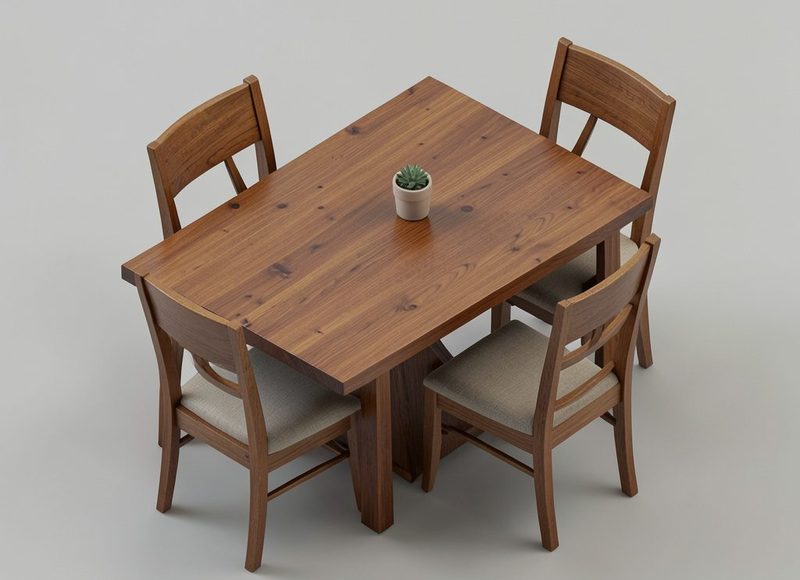
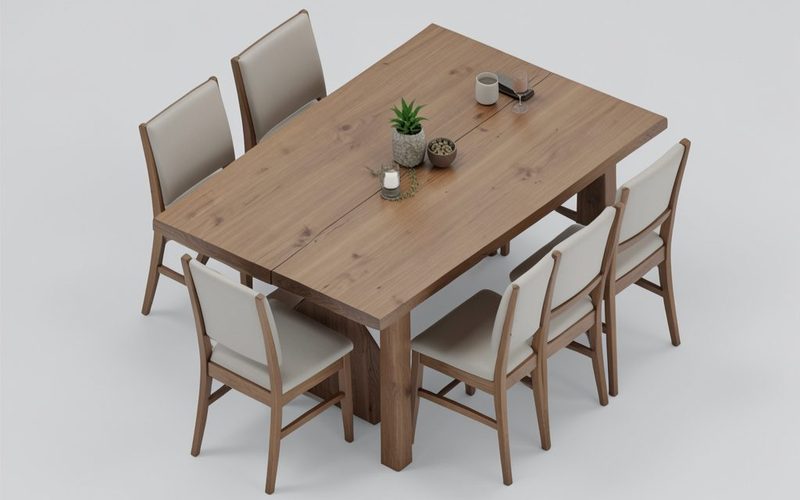
Lighting looks most convincing when it relates to the shapes and textures already in the room. A rounded lamp can soften a boxy modular sofa, while a slim metal lantern can add definition beside a broad upholstered chair. On a dining table, repeat a finish from the pendant, cabinet handles or chair legs to make the arrangement feel connected.
Soft furnishings also influence how light is perceived. Velvet, boucle and wool absorb and deepen a warm glow, whereas glass, polished stone and high-gloss surfaces reflect it. If you are refreshing a lounge rather than replacing it, removable textiles can change the backdrop around a lamp; ideas for upgrading your sofa show how slipcovers can introduce a new colour without committing to a new suite.
A reading lamp beside a sofa should illuminate the page without shining into the room. Position the shade around shoulder height when seated, and choose a directional fitting if the chair is used for reading. For a conversational lounge, use a lower, diffused lamp instead, allowing the light to fall across nearby cushions and a rug.
Think of tabletop lighting as a flexible layer rather than a permanent centrepiece. A lantern can move from the dining table to the verandah, a cordless lamp can shift from a desk to a bedside table, and candles can mark a special occasion without dominating everyday life. Begin with one warm source, observe how it changes the room after dark, then add only what improves the balance.
Refresh a favourite table, sofa corner or outdoor setting with one carefully chosen lantern or lamp, and use the surrounding textures to make its glow feel part of the room.