Table Leg Styles That Change The Look Of Your Furniture
A table’s surface usually receives the attention first, but its legs often determine how the whole piece feels in a room. The same timber top can look relaxed, formal, industrial or distinctly contemporary depending on the support beneath it. Changing the base may give an existing table a stronger identity without replacing the entire piece.
Leg shape affects more than decoration. It changes the visual weight of the furniture, the amount of floor visible underneath, and how easily chairs can be positioned around it. A wide, solid base can make a dining table feel grounded, while a narrow metal frame may create a lighter appearance in a compact apartment.
Australian homes offer plenty of settings for experimenting with table furniture. A pale timber table can suit a breezy coastal home in Newcastle, while dark stained legs may add warmth to a Melbourne terrace. In Brisbane and other humid areas, material selection also matters because moisture and fluctuating indoor conditions can affect timber finishes and metal surfaces.
The best choice depends on proportion, practicality and the character already present in the room. Consider the table’s top, nearby seating, flooring and natural light together rather than choosing a leg style as an isolated feature. A well-matched base can make an affordable table appear carefully designed.
Tapered Legs And Mid-Century Lightness
Tapered legs narrow towards the floor, creating a clean profile associated with mid-century furniture. They make a substantial tabletop seem less bulky and allow more light to pass beneath the table. This effect works particularly well in smaller dining areas, home offices and open-plan living spaces where visual clutter can quickly build up.
Angled or splayed versions add a little more energy than straight tapered legs. They suit round coffee tables, writing desks and compact dining tables, especially when paired with warm oak, walnut-toned veneer or Australian blackbutt. The style can feel retro without turning the room into a period display.
Turned Legs And Traditional Character
Turned timber legs feature rounded sections, rings, grooves or bulbous details shaped on a lathe. They bring a sense of craftsmanship to farmhouse tables, classic writing desks and side tables. Their decorative profile works best when the rest of the room has some softness, such as upholstered chairs, patterned curtains or traditional rugs.
A heavily turned base can make a tabletop feel visually rich, so balance is important. A simple rectangular top usually gives ornate legs enough space to stand out, while too many decorative details can make the furniture look busy. For an Australian country-style interior, painted legs in muted white, sage or blue-grey can create a relaxed appearance without appearing overly formal.
Metal Frames And Industrial Structure
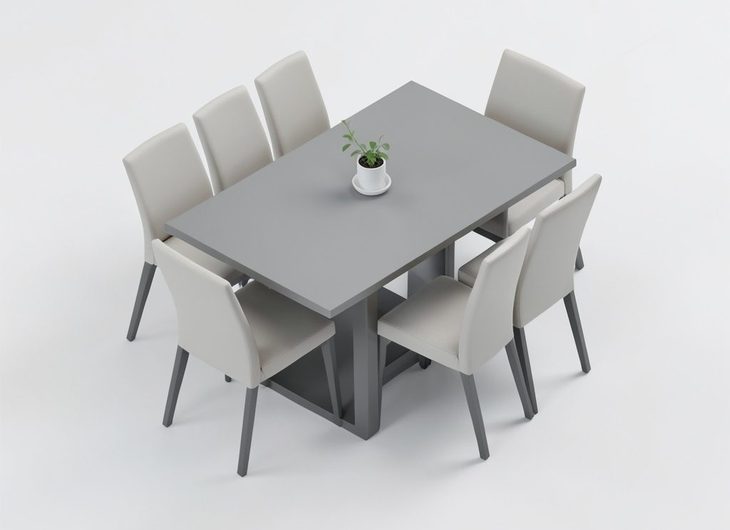
Steel trestles, rectangular frames and hairpin legs give tables a practical industrial edge. Black powder-coated metal is a popular choice because it contrasts sharply with recycled timber, concrete-look surfaces and pale flooring. Slim hairpin legs are especially useful when a room needs an occasional desk or console that can be moved easily.
The finish changes the mood considerably. Brushed steel feels cleaner and more contemporary, while aged or raw-looking metal adds workshop character. In coastal regions, powder coating is preferable to an unprotected finish because salty air can accelerate corrosion. A table used outdoors should be designed for exterior conditions rather than treated as an indoor item.
Playful visual references can also influence a furniture scheme. For example, animal-themed game motifs may inspire a subtle safari palette of rust, ochre, charcoal and timber, without requiring literal printed decoration on the table.
Pedestal Bases And Sculptural Form
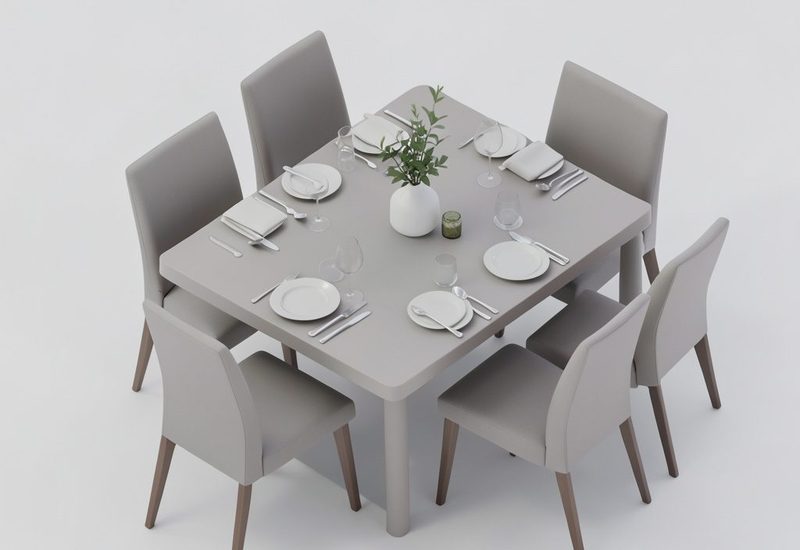
A pedestal replaces four separate legs with one central support or a connected base. This arrangement gives diners more freedom to move their chairs and avoids the familiar problem of a table leg occupying the most convenient position. It is particularly effective for round dining tables, where a central base reinforces the shape.
Pedestals can look architectural, sculptural or almost invisible. A fluted timber column creates a strong statement in a formal dining room, while a broad trumpet base in a matching neutral colour keeps the focus on the tabletop. For an Australian apartment or smaller townhouse, a pedestal table can also improve circulation around the furniture.
The base must be engineered carefully because a narrow pedestal needs enough stability to support the top. Check the weight of stone, thick hardwood or ceramic surfaces before choosing replacement legs. A professional furniture maker or experienced local joiner can help calculate the appropriate fixing points and load distribution.
Materials That Set The Tone
Timber legs bring warmth and continuity, especially when their colour matches or deliberately contrasts with the tabletop. Solid hardwood can be durable, but different species expand and contract at different rates. In Australia, locally available timbers such as spotted gum, blackbutt and Tasmanian oak offer varied grain patterns and tones, while reclaimed timber adds irregularity and history.
Metal, acrylic and stone create different visual effects. Metal tends to sharpen a design, clear acrylic can make a base visually recede, and stone gives a table a permanent, architectural presence. Mixed materials are often effective: a timber top on a black steel base feels contemporary, while a stone top on timber legs has a warmer, more residential quality.
When researching ideas, look beyond local showrooms and browse regional design references for unexpected combinations of colour, surface and structure. The aim is not to copy a room exactly, but to notice how different materials create rhythm and contrast.
Practical Details Worth Checking
- Confirm the finished table height, including the thickness of the tabletop and any adjustable feet.
- Choose corrosion-resistant hardware for humid, coastal or semi-outdoor settings.
- Match the leg width to the tabletop so the base feels stable rather than spindly.
- Check that the fixing system can be tightened without damaging the timber.
- Allow enough knee room for dining chairs, office seating or bar stools.
Matching Proportions To Your Room
The leg style should support the room’s scale. Chunky square legs can work beneath a large dining table in a generous Queenslander, but they may overwhelm a narrow apartment. Slim legs generally suit smaller spaces, although extremely delicate supports can look underpowered beneath a thick stone or hardwood top.
Think about sightlines as well. In an open-plan home, a table with a visually open base allows flooring to flow underneath and helps the kitchen, dining and living zones feel connected. A solid base creates a stronger boundary and may be useful when the dining area needs to feel more defined.
The chairs also provide an important clue. Upholstered dining chairs usually pair comfortably with refined timber or pedestal bases, while simple black chairs can reinforce a metal frame. If the furniture is being placed over a patterned rug, choose a leg design that complements rather than competes with the rug’s geometry.
A Quick Style-Matching Guide
- Choose tapered timber legs for lightness, warmth and a mid-century influence.
- Choose turned legs for traditional rooms, country interiors and decorative detail.
- Choose steel frames for industrial, contemporary or workshop-inspired spaces.
- Choose a pedestal for flexible seating and a stronger sculptural centre.
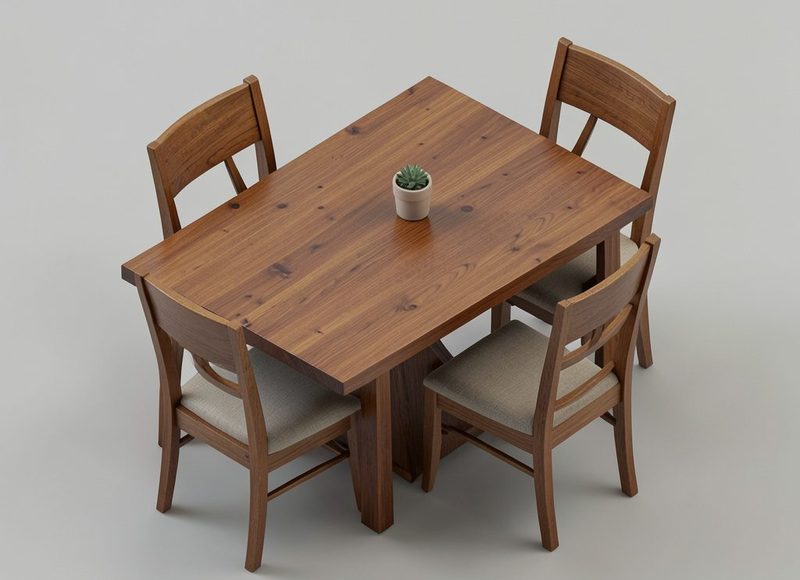
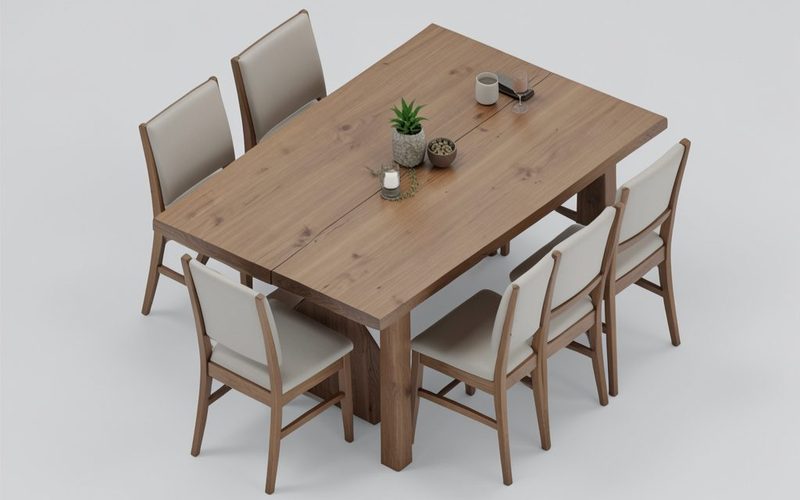
- Choose broad square legs when the room calls for a grounded, substantial table.
Replacing table legs is one of the more approachable ways to refresh furniture. Measure carefully, inspect the existing joinery and consider whether the tabletop can safely accept new brackets or bolts. Felt pads, adjustable feet and quality screws can make a major difference to stability and floor protection.
Start with the atmosphere you want the room to have, then select a leg profile that reinforces it. Sketch the proportions, compare timber and metal samples in the actual space, and use image galleries to test ideas before committing. A thoughtful base can turn a plain table into a defining piece of Australian home décor.