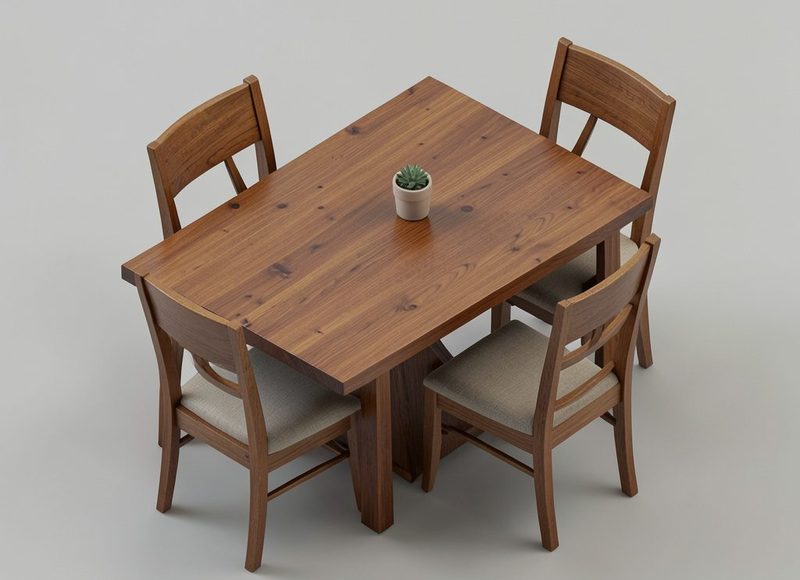
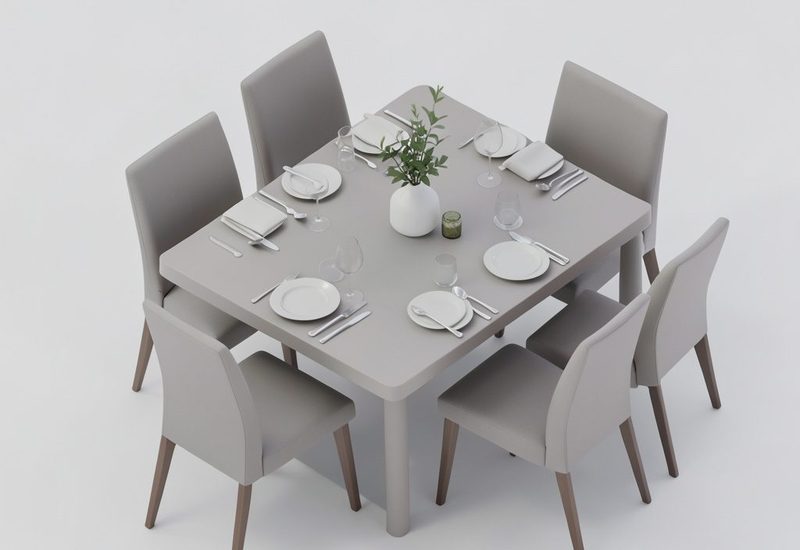
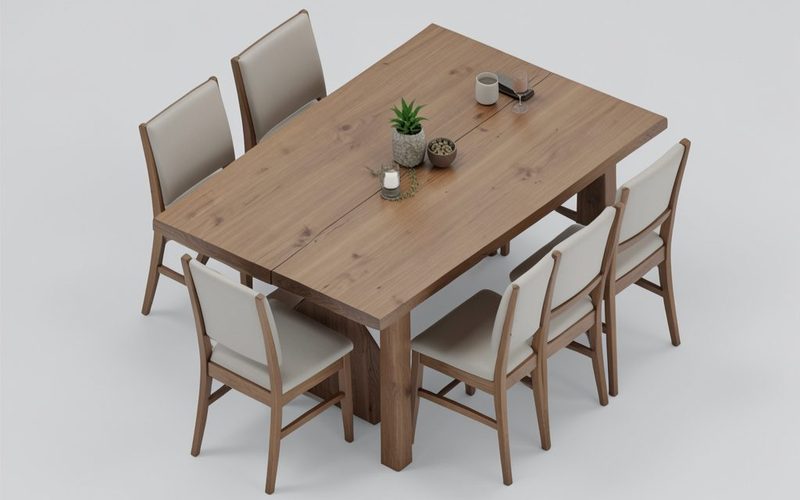
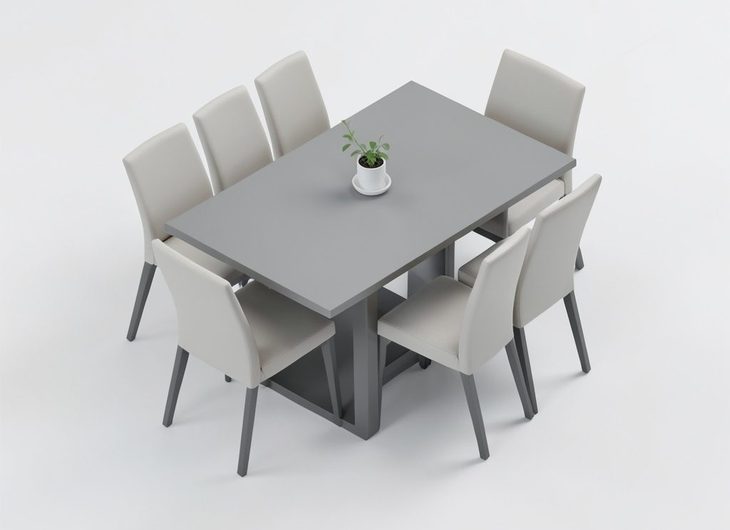
Selecting dining chairs with armrests for comfort
Finding dining chairs with armrests is more than choosing a shape that looks good beside the dining table. Armrests can support the forearms, ease pressure on the shoulders and make longer meals feel more relaxed. The best pair balances that support with enough room for the table, the people around it and the way the room is actually used.
Armchairs also change how a dining space functions. They can feel formal, soften a tiled room, give older guests a steadier seat or provide a resting place between courses. They can equally crowd a compact area or catch on the table edge. A careful choice starts with your room, your diners and the level of comfort you need.
Picture the room before the chair
Start by deciding where the chairs will belong. Many Australian homes have an open-plan lounge and dining area, while apartments in Sydney, Melbourne and Brisbane often need every centimetre to work. If the chairs will be used at a compact table, measure the floor space as well as the table itself; visually elegant arms can make circulation surprisingly difficult.
Think about whether the setting is indoors, on a covered patio or on a verandah. Australian summers bring strong sun, heat and occasional rain, so an outdoor chair needs weather-resistant finishes and UV-stable upholstery. For indoor use, prioritise a softer seat and an arm profile that suits the room. Good furniture is built for Australian homes, not for a showroom photograph.
Note how the space is used. A dining area may host a brekkie, homework, laptop calls, a Sunday roast or long lunches. In a multipurpose room, armchairs should still be light enough to move and stable enough for children. Listing these uses before shopping will narrow the options faster.
Compare the main chair shapes
Armchair styles fall into a few useful groups, and each behaves differently during a meal.
| Feature | Upholstered armchair | Timber-arm armchair | Mixed-material armchair |
|---|---|---|---|
| Support | Plush, broad and enveloping | Firm with a slimmer profile | Moderate, depending on padding |
| Typical arms | Rounded or padded | Sculpted, slim or squared | Timber or metal with a padded section |
| Maintenance | Regular vacuuming and spot-cleaning | Easy to wipe; watch for scratches | Depends on each surface |
| Best suited to | Long dinners and relaxed rooms | Modern, compact or casual spaces | Mixed decor and frequent use |
| Relative cost | Often higher | Usually moderate | Broad range |
A fully upholstered chair usually feels the most generous, especially for a long lunch, but it needs more clearance and careful cleaning. A timber-arm chair is visually lighter and easier to move around a small apartment. Mixed materials can offer the best compromise, combining a durable frame with a comfortable touch. Choose based on the dominant use, then compare the details within that category.
Measure for a comfortable fit
Dimensions matter more than decorative detail. A practical dining seat is often around 43 to 48 centimetres high, although your own table and diners should set the final standard. The armrest should sit roughly 20 to 25 centimetres above the seat. Check that it can slide under the table apron without forcing the chair to sit awkwardly far back.
Leave enough space to pull the chair out and stand. A quick showroom test is better than relying on a product photograph: sit back, let your shoulders relax and place your hands on the arms. If the arms are too low, the forearms tense; if they are too high, the shoulders rise. Wide arms can also prevent a chair from tucking neatly away.
- Measure table height, underside clearance and the distance to nearby walls.
- Sit in each shortlisted chair for at least ten minutes.
- Check that elbows rest without lifting the shoulders.
- Allow room for the chair to be moved during busy meals.
Match comfort to Australian routines
Comfort should suit the household, not an idealised dining room. Older people or anyone with limited mobility may value a higher, firmer seat and arms that provide a clear push-off point. Others simply prefer the freedom to change position. Soft cushions can make a firm chair easier to like, but loose cushions can slide and create another thing to tidy.
For Australian interiors, timber tones, black metal frames and neutral fabrics tend to sit comfortably with both coastal and modern homes. Those are broad observations, not rules: a patterned chair can enliven a plain room, while a pale timber design can soften darker finishes. Coordinate the chairs with one another rather than making every piece identical, then echo a colour or material elsewhere in the room.
In rental properties and apartments, narrower or stackable armchairs may be more useful than bulky fixed chairs. Check product dimensions against the doorway and storage area, and make sure delivery drivers have a clear route.
Choose materials for real daily use
Materials should match the mess that comes with everyday dining. Timber arms are easy to wipe but can scratch or swell if spills sit on them. Powder-coated metal handles heat and dampness well, although bare metal can feel cold. Vinyl is simple to clean, while fabric gives a warmer look but needs prompt attention around food, sunscreen and oily fingers.
Leather can develop a handsome patina, yet direct Australian sunlight may fade or dry it without regular conditioning. For a bright dining room, ask about UV resistance and request a fabric sample in natural light. If the chairs will sit on a rug, also consider how the pile and underlay affect stability; useful high-traffic carpet care can help protect an area that sees daily footfall.
Small felt glides or floor protectors prevent scratches on timber floors and stop chairs drifting on tile. Check whether the feet are adjustable, because uneven floors are common in older Australian homes. Replace damaged glides rather than letting grit collect underneath, protecting both the flooring and the room’s quiet movement.
Shop the Australian market with care
Australian shoppers can compare broad ranges at Bunnings, IKEA Australia and Harvey Norman, as well as smaller showrooms and online makers. Flat-packed chairs may be inexpensive and compact to ship, but assembly, replacement hardware and returns can affect the real cost. Upholstered products often arrive assembled, yet they take longer to deliver and may offer fewer colour choices.
Availability is only one part of the market. Compare the warranty, frame construction, seat density, arm height and expected lead time before paying. If you are still developing the look, browsing home decor ideas alongside product samples can make it easier to judge scale and colour. Virtual showrooms are useful for a first pass, but a physical chair tells you far more.
- Check delivery dates before committing to a hosting date.
- Confirm the assembled and boxed dimensions.
- Read the warranty for frame, joints and upholstery.
- Keep a second choice in case your preferred colour is unavailable.
Bring the chairs together and take action
Before ordering, bring the shortlist into the actual room. Put the chairs around the table, sit in them and watch how people move through the space. A comfortable setting should allow a server or child to pass, a guest to pull out a chair and a diner to relax without the arms digging in. Check the view as well: the backs may be visible from the living area.
Order two sample chairs before a large set when the budget allows, especially for upholstered models. Live with them through a week of meals and see whether the colour works as daylight changes. Test their weight and storage if they will move often; if they stay put, prioritise padding and arm support.
Now measure the dining area, confirm the clearance around the table and choose your preferred comfort level. Shortlist three to five chairs, then check each one in person against your measurements and routines. Buy the pair that supports the table, suits the room and still feels easy after a long lunch—and add fresh glides before the first gathering.