Layering rugs over carpet: Design tricks and cleaning tips
A rug laid over existing carpet can give a room more warmth, pattern and a clearly defined seating area. It works particularly well when the carpet is a quiet background and the new rug has a manageable pile. With careful preparation, the two layers can look deliberate rather than like an attempt to hide worn flooring.
The result depends on choosing fibres, scale and cleaning methods that suit each other. Before shopping, note the carpet colour and pile, measure the available floor, and check how much sunlight and foot traffic the room receives. Those details make it easier to create a layered scheme that remains comfortable under Australian household conditions.
Why layering suits Australian homes
Many Australian homes have a neutral carpet that serves a practical purpose. A tightly woven surface in beige, oat, sand or warm grey provides a backdrop for a patterned rug, while a bold plain rug can bring colour to a plain space. The carpet should be clean and well maintained; a new top layer cannot disguise persistent stains or flattened fibres.
Sydney terrace homes often combine compact living rooms with tiled or timber areas beyond them, so a rug can visually tie those surfaces together. Melbourne's Victorian terraces present a different challenge: narrow passages and fixed furniture leave little room for error. In both cases, a rug that feels generous in the room but leaves doors and walkways clear creates a more relaxed result.
Gathering ideas for a Sydney terrace can send you from décor galleries to broader information resources. Keep the final choices tied to the carpet and rug labels rather than general browsing, and check whether the intended palette works with the room's natural light.
Match the rug to the carpet
Choose a cut-pile or low-loop rug for most carpeted rooms. A flatweave can also work when its weave is smooth enough not to catch on carpet fibres. Deep shag, coarse sisal and very textured jute may snag or abrade the underlying carpet, especially in busy areas. Wool rugs are popular, but quality and construction matter more than the fibre name alone.
Rug backing and grip matter just as much as colour. Ask the maker whether a rug pad or underlay is suitable over carpet; some recommend no pad beneath hand-knotted or finely woven rugs because it can compress the pile, shift the rug or stick to the carpet. If approved, choose a breathable, non-slip pad that will not transfer latex, silicone or adhesive to the fibres.
Check the cleaning code before purchase and keep the label for reference. A code of W generally indicates water-based cleaning, S calls for solvent, and X usually means professional care, though the maker's directions take precedence. Test any cleaning product in a hidden corner, and confirm that the colours are colourfast before placing the rug over the carpet.
Get the scale and pattern right
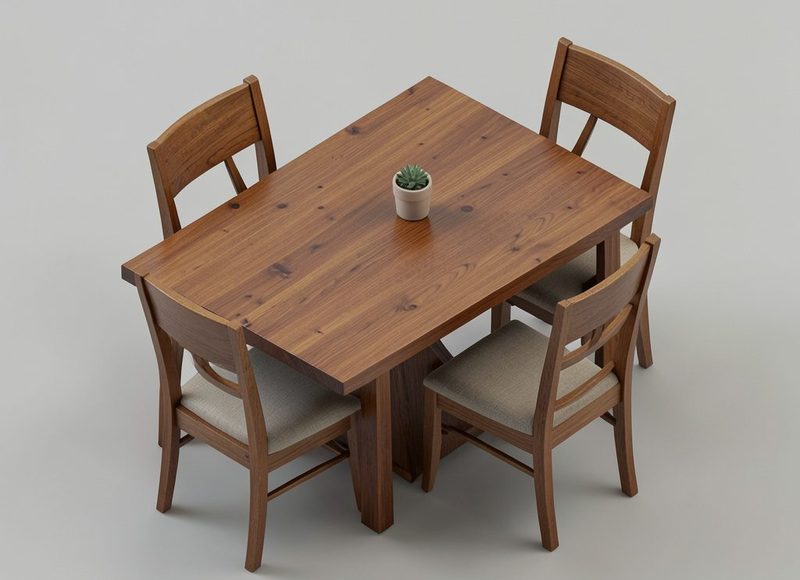
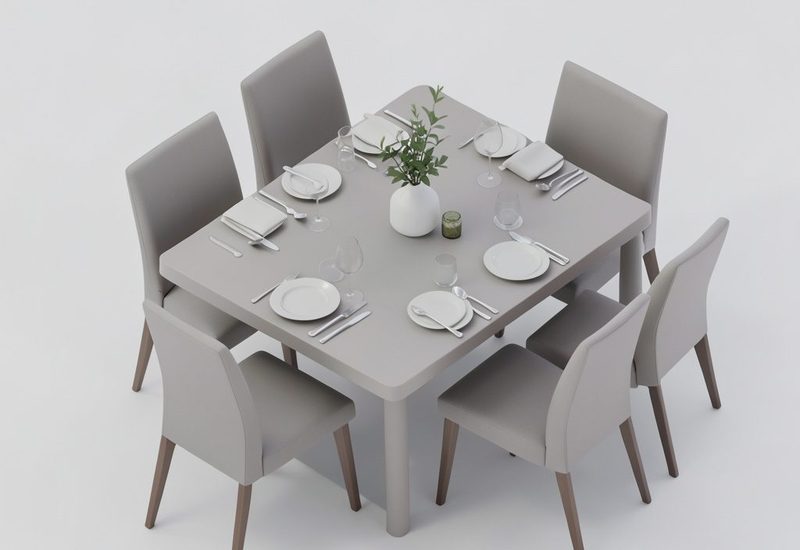
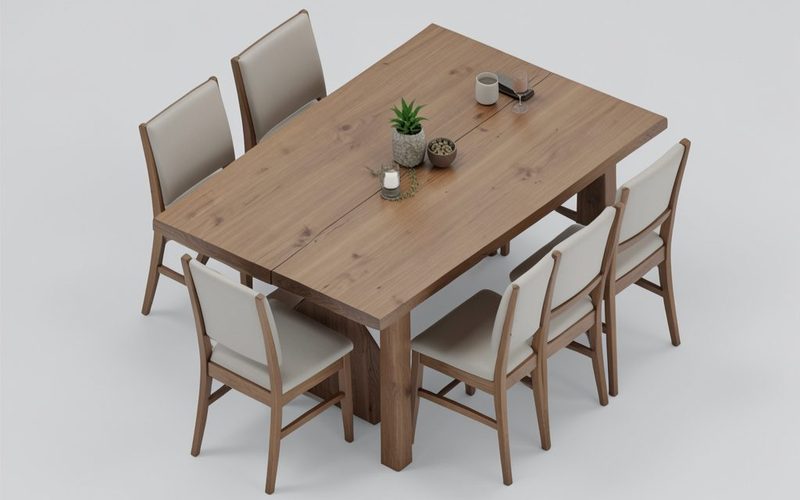
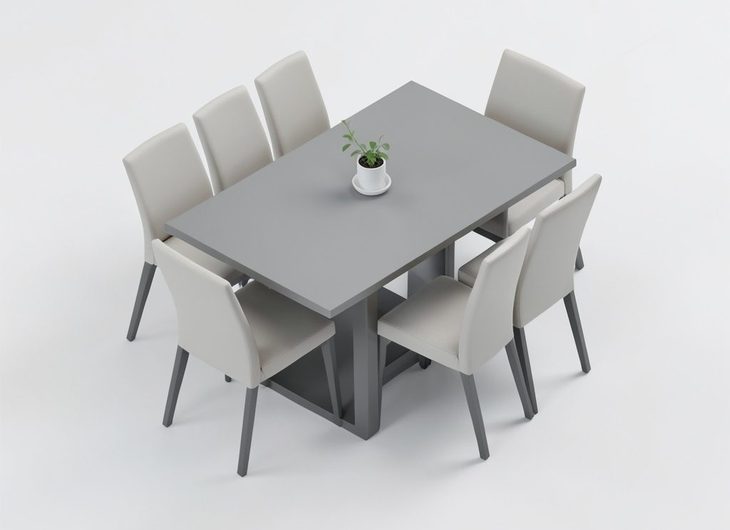
A rug that is too small can make the furniture look crowded. In a living room, make the main rug large enough for the sofa's front legs and occasional chairs to rest on it. Around a dining table, allow roughly 60 centimetres beyond the table so chairs remain supported even when pulled out. Measure doorways, vents and built-in seating before ordering.
Pattern needs a calm background. If the carpet has a strong motif, choose a simpler rug with a coordinating colour rather than another equally busy design. For a plain carpet, a graphic pattern can define the room, while a tonal rug creates a softer layered effect. Check the rug in daylight and under evening lighting, as strong afternoon sun can make colour contrasts look quite differently.
Use runners according to the route people actually take. In narrow halls common in Melbourne terraces, a runner around 70 to 90 centimetres wide can feel more generous than a small pile-on-pile rug. Align long edges with the passage, avoid covering a door swing, and secure lightly trafficked edges so nobody catches a heel on the rug.
Vacuuming and everyday care
Vacuum the carpet before positioning the rug, then vacuum the rug and the exposed carpet on a regular schedule. Use a smooth floor setting or a vacuum designed for fine rugs, and check that the beater bar will not pull loops or fringe. Vacuum in slow, overlapping passes, including along the edges where grit collects, and lift the rug occasionally to clean beneath it.
Perth's fine sandy soil is easily tracked indoors. Many Australian households leave shoes outside or use an entry mat. Vacuum without beating stubborn grit into the fibres, and remove small spills before they dry. A rug protects the carpet beneath it, but it can also seal in dirt; every few weeks, lift one corner and inspect the hidden area.
In Brisbane's humid season, dry damp patches promptly and allow airflow beneath the rug. Keep drinks away from the edge of the furniture zone, and rotate the rug occasionally if direct sunlight fades one section faster. These habits are simple, but they protect both layers far more effectively than waiting for a deep clean.
Deep cleaning and stain recovery
Always identify the rug fibre and follow both the rug and carpet instructions. For a washable synthetic, blot a spill with cool water and a small amount of mild detergent, then blot the area again without rubbing. Wool and other natural fibres often need a gentler method, and jute or sisal should not be saturated. Test first, use little moisture, and never assume that a carpet's care code applies to the rug above it.
For odours, vacuum first and use a manufacturer-approved deodoriser. Baking soda can be useful on some washable synthetics, but it must be applied lightly, left to absorb and vacuumed away; scented DIY mixtures can cause allergy problems. Persistent urine marks may need an enzymatic carpet cleaner used according to its label. Steam cleaning is unsuitable for many wool rugs and some backings, so confirm the method before using a hire machine.
Search results can also contain unrelated promotions: an online bonus review offers no reliable guidance on stain removal. For stubborn marks or valuable wool rugs, seek a rug cleaner experienced with that fibre and ask how the top rug and carpet beneath will be treated. Local DIY retailers such as Bunnings stock general carpet-cleaning products, but specialist advice is more valuable than a broad product range.
A practical decorating and care checklist
Before moving a rug into place, work through this short checklist:
- Check the measurements: Record the room, furniture footprint and traffic route, then photograph the carpet's condition before the rug goes down.
- Check compatibility: Match pile, backing and cleaning codes, and confirm with the maker whether a rug pad is safe over carpet.
- Protect the carpet: Use only approved non-slip grip or carpet tape, and never nail, staple or hot-glue the rug to the floor.
- Build a cleaning rhythm: Vacuum the exposed carpet and rug weekly, adjust the frequency for pets, sand or heavy use, and lift the rug occasionally to inspect beneath it.
- Treat spills early: Blot rather than rub, test the product in a hidden area and follow the fibre-specific instructions before wetting the rug.
- Protect the finish: Rotate the rug in direct sun, keep hard furniture sliders away from delicate pile and move heavy pieces with lifting straps rather than dragging them.
Position the rug only after the carpet is clean and completely dry. Check the edges during the first week, as foot traffic may shift the grip and reveal small areas that need attention.
Make the next layered room feel finished
Browse the image galleries for rugs that sit well with carpet, then compare their scale, pattern and colour in the light of your own room. Save the combinations that make the floor feel larger, not busier, and use the saved measurements to avoid an impulse purchase. A layered rug can refresh a room without replacing the carpet underneath.
Start with one clear zone, check both cleaning labels and choose a non-slip method approved for your rug and carpet. Then vacuum the exposed carpet, position the rug square to the room and enjoy a floor that looks richer while remaining practical for everyday Australian life.