A Cosy Banquette Built from Tables and Chairs
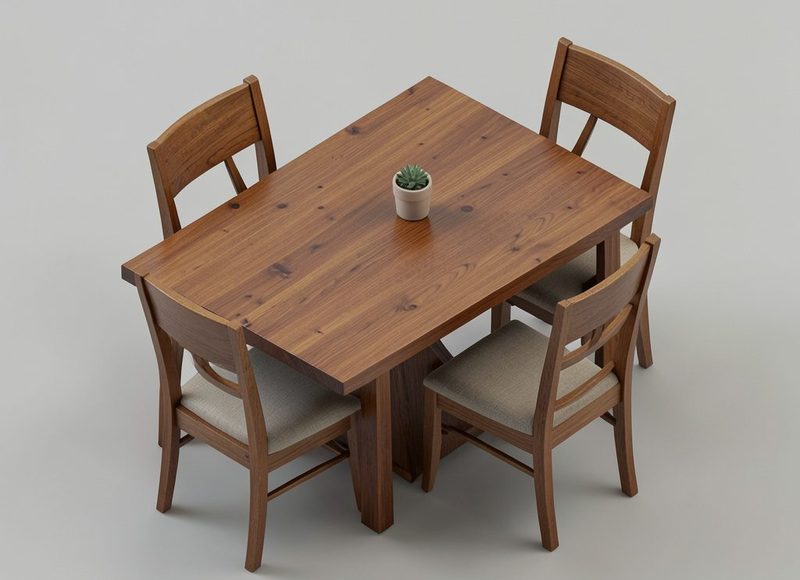
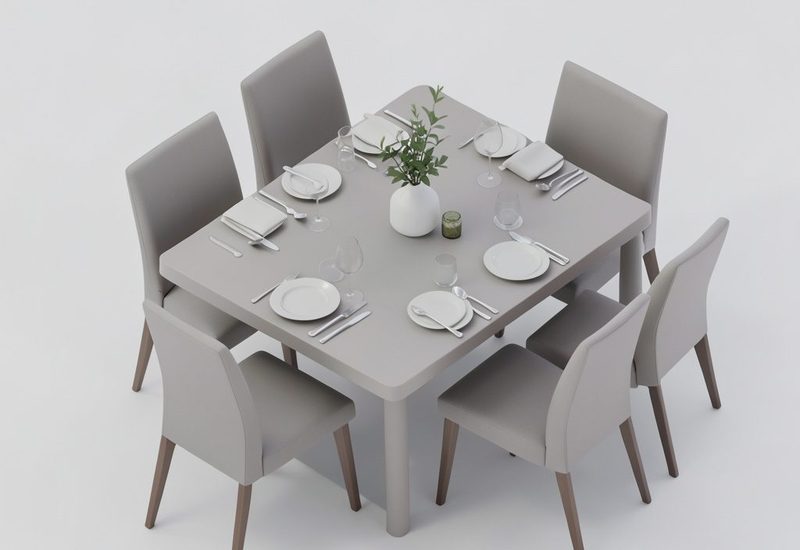
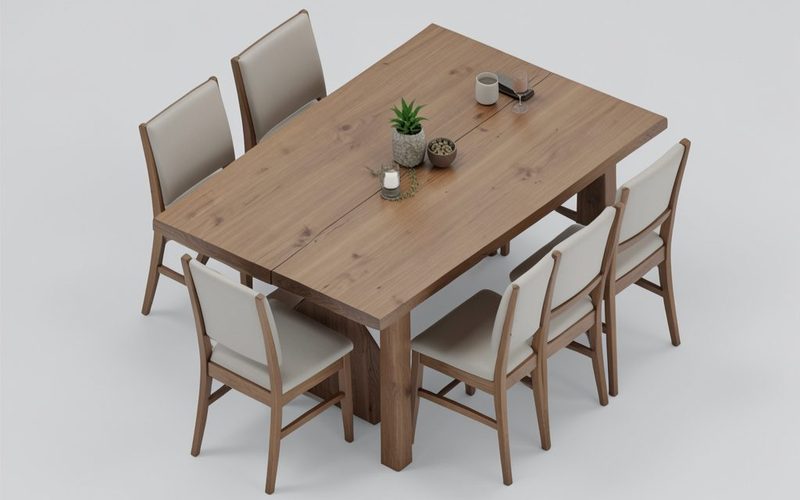
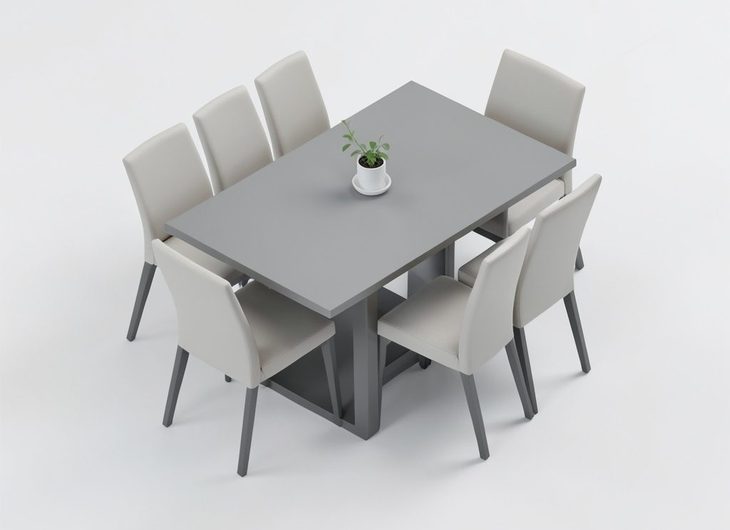
Creating a Cozy Banquette Using a Combination of Tables and Chairs can transform an awkward dining corner into a place for reading, work and long lunches. The charm comes from treating an ordinary table and a row of mismatched chairs as parts of one upholstered bench, while using the table top as a ledge for books, cups and favourite objects.
The best version suits the room rather than demanding a perfect match. A narrow table, two salvaged chairs and a deep seat cushion may be enough; a larger table can become a generous banquette when the pieces share a height. The key is to plan the support, test the comfort and choose finishes that make the combination feel deliberate.
Plan around the room you actually live in
Begin with a paper floor plan. Mark the wall, doors, windows and the clear space needed to pull out a chair or walk past the seat. An L-shaped banquette works well in a rectangular dining room, while a single straight run can fit under a window. Leave room for a table to be used, not just viewed.
Compact Melbourne terraces and Sydney apartments often make this kind of built-in seating especially valuable. Aussies may call the look “cosy”, and “built-in nook” sounds natural in a renovation plan, but the practical test is simple: can people sit down without blocking a doorway? In a Perth home, position the back away from strong western afternoon sun so the upholstery is less likely to fade.
Check any second-hand timber before it enters the house, especially if it has been stored in a garage or shed. Tiny exit holes, webbing or powdery trails can signal wood-boring insects, and this pest identification guide can help you recognise common warning signs before checking with a local pest professional.
Choose pieces that work together
A banquette needs a consistent seat line. Select chairs with similar seat widths and backs that will look intentional together, then choose a table whose top can rest at roughly the same height. If the chairs differ, repeat one feature, such as the timber finish or leg shape, to tie them together.
Australia's furniture market makes this approach practical. Bunnings and IKEA Australia supply standard flat-pack tables and basic tools, while Gumtree and local op-shops offer older pieces for reuse. Check metric dimensions and delivery costs before buying, because a table that looks compact online may have awkward packaging or a long trolley route to the room.
Do not rely on a photograph to judge strength. Sit on each chair, look for loose joints and compare the seat depth with your cushions. If you want to compare layouts, a furniture project archive can show how separate tables and chairs can be arranged as one continuous seating zone.
Build a stable, usable base
The table does more than bridge the chairs: it forms the platform that supports the banquette. Place it so the long edge runs behind the seats, then fasten the chair frames to a solid base or wall cleat where appropriate. The structure should resist sliding when someone pushes up from the seat.
For a neat result, use a narrow strip of timber or a purpose-made support rail across the chair backs. A second rail near floor level can stop the frames moving in opposite directions. If the chairs have decorative backs, hide the fixings behind a removable upholstered panel rather than drilling through the pattern.
Working from reclaimed pieces, isolate them from the floor with a damp-proof pad and avoid trapping moisture against the wall. Confirm the location of plumbing, wiring and wall anchors before making holes. Renters should use freestanding supports or reversible hooks so the banquette can move when they do.
Layer comfort, texture and personality
Start with the base components, then build the comfort in layers:
- Choose chairs with strong frames and no severe sway
- Match seat heights before adding any cushion
- Use one long bench pad or individual pads in the same fabric
- Keep the table edge accessible for drinks and small trays
- Test the seat depth against your table and room clearance
Finish the nook with a mix of soft and hard surfaces:
- Add two large back cushions for a relaxed, lounge-like profile
- Choose washable covers in a warm neutral or muted earthy colour
- Use a folded throw for winter evenings and extra texture
- Place a small task lamp on the table ledge
- Hang one generous artwork or a narrow row of prints above the seat
A fitted seat pad should support the body without looking as though it has been laid on top of the chairs. Allow the fabric to breathe, particularly in humid weather, and rotate removable cushions so the same area does not wear quickly. Repeating the upholstery colour elsewhere in the room will make the banquette feel like a built-in feature rather than a collection of spare seating.
Protect the nook and make it part of the room
Australian conditions shape how the finished piece should be maintained. Direct summer sun can bleach fabric and harden timber, while winter damp may encourage mould around cushions that touch the wall. In Brisbane, give the seat enough ventilation; in Melbourne, bring cushions inside during wet spells and wipe the frame before returning it.
Vacuum between the chairs and beneath the seat base, where crumbs and pet hair collect easily. Clean spills promptly and follow the care label rather than applying a generic household product. For concerns about termites or other timber pests, this pest prevention resource is a useful starting point for protecting the base and checking the surrounding area.
Sketch the footprint this week, measure the chairs you already own and test one cushion arrangement before committing to new timber. Save the layout that offers the best balance of seating and table space, then gather components in stages so the project stays manageable. Measure first, source thoughtfully, and let comfort guide the final build.