Chandelier Sizing Guide For Every Room Height
A chandelier can anchor a room, define a dining zone and make an ordinary ceiling feel considered. The right size depends on much more than the fitting’s appearance. Ceiling height, room proportions, furniture, viewing distance and the amount of light required all affect the result.
Australian homes cover a wide range of conditions, from compact apartments in Sydney and Melbourne to broad Queenslander rooms with pressed-metal ceilings. A fitting that looks balanced beneath a standard 2.4-metre ceiling may seem lost in a lofty heritage house or feel too dominant in a narrow terrace.
This chandelier sizing guide for every room height uses practical measurements rather than guesswork. It also considers open-plan living, low ceilings, stair voids and the installation details that matter in the Australian market.
Think of the chandelier as part of the whole room. It should relate to the dining table, sofa arrangement, kitchen island or entryway below it, while leaving comfortable clearance for people moving through the space.
Measure The Room Before Shopping
Start by measuring the room’s length, width and ceiling height. For a simple diameter guide, add the room’s length and width in metres, then convert the result to centimetres. A 4-metre by 5-metre room, for example, suits a chandelier around 90 centimetres wide as a starting point.
This calculation gives a useful visual scale, rather than a strict rule. A small, open metal design can appear lighter than its measurements suggest, while a drum shade, crystal frame or dense timber fitting will carry more visual weight.
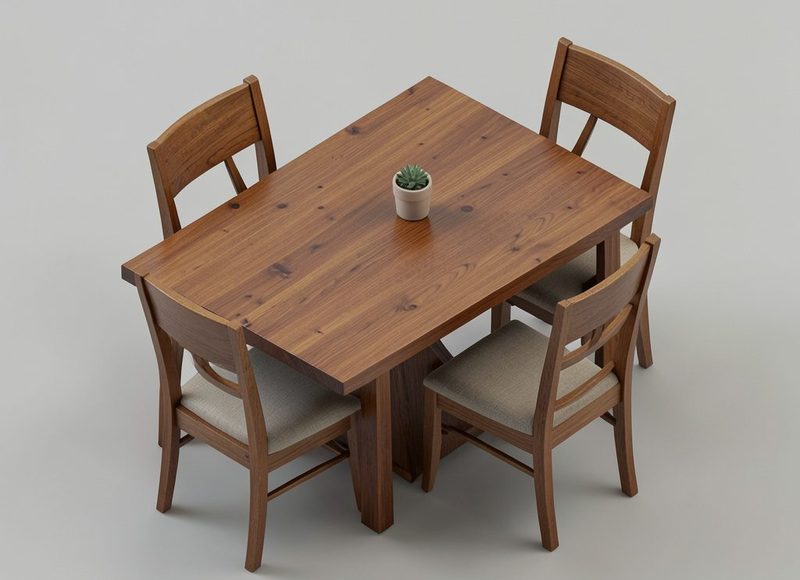
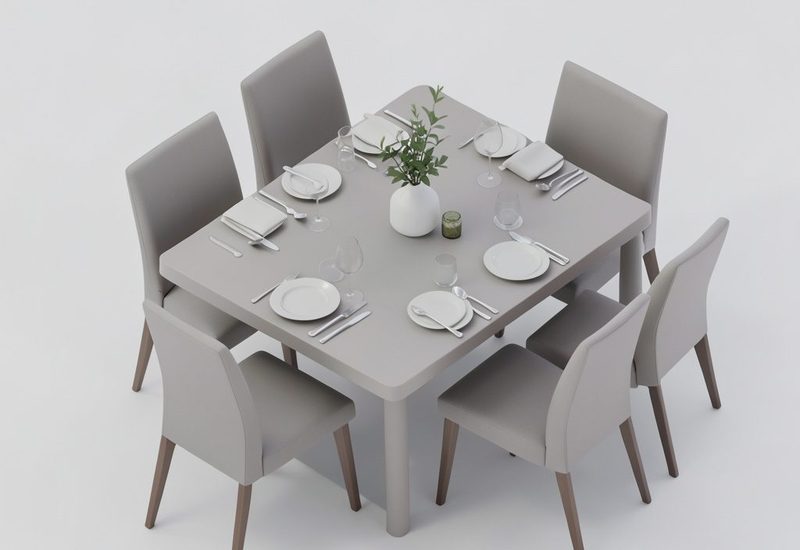
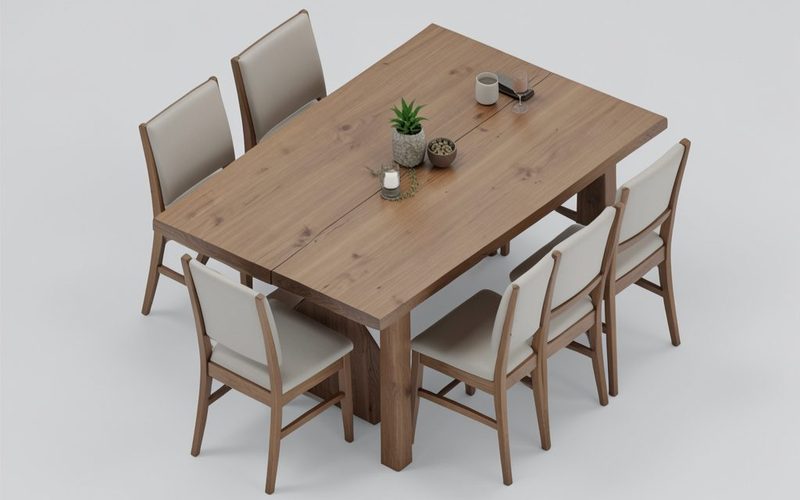
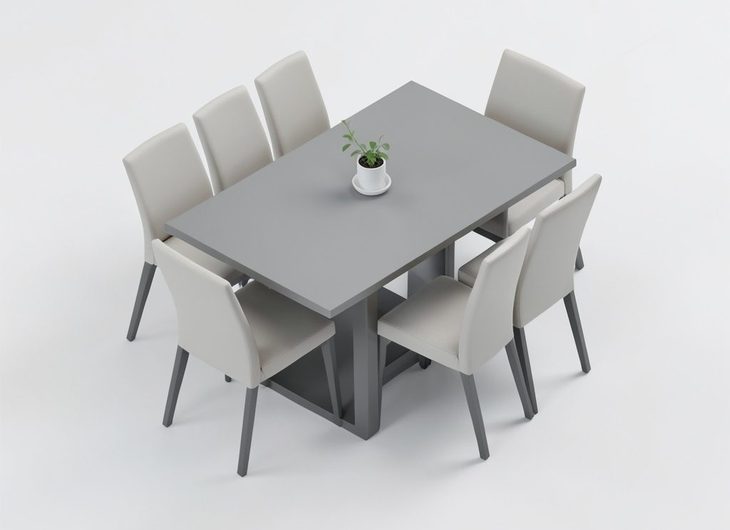
For dining areas, measure the table as well. The chandelier should usually be about one-half to two-thirds of the table’s width, leaving enough breathing room at both ends. Above a round table, choose a round fitting or a design with a compact silhouette.
Match The Fixture To Ceiling Height
A common rule is to allow 5 to 8 centimetres of chandelier height for every 30 centimetres of ceiling height. A 2.4-metre ceiling therefore often suits a fitting around 40 to 60 centimetres high, depending on the room and design.
The bottom of a chandelier above a dining table generally sits 75 to 90 centimetres above the tabletop. In a living room or open passage, aim for at least 2.1 metres of clearance from the floor, with extra care around tall household members and busy walkways.
For a low ceiling, choose a semi-flush chandelier, compact pendant cluster or shallow drum fixture. Avoid long chains and oversized tiers unless the fitting can be shortened neatly. In a double-height space, a larger multi-tier piece can fill the vertical volume without looking undersized.
Choose A Scale For Each Room
Dining rooms usually offer the clearest sizing reference because the table creates a defined footprint. A 180-centimetre rectangular table may work with a 75 to 100-centimetre chandelier, while a 240-centimetre table can carry a 100 to 140-centimetre linear fitting or two smaller pendants.
In a bedroom, use a softer and smaller fixture. A chandelier between 45 and 70 centimetres wide often works well, provided it does not hang directly over the bed at a height that creates a visual obstruction. For a living room, relate the fixture to the seating group rather than the entire floor area.
Entry halls need careful clearance, especially in narrow Melbourne terraces or apartment foyers. A compact 40 to 60-centimetre model can provide impact without narrowing the passage. For a stairwell or void, measure from every landing and check sightlines before choosing a long, sculptural design.
Use A Practical Sizing Reference
The figures below provide a starting point for common Australian room types. Adjust them for the chandelier’s visual density, the furniture below and the amount of open space around it.
| Room or location | Typical ceiling height | Useful chandelier width | Suggested hanging clearance |
|---|---|---|---|
| Bedroom | 2.4–2.7 m | 45–70 cm | Keep the fitting visually clear of the bed |
| Dining room | 2.4–2.7 m | 70–110 cm | 75–90 cm above the tabletop |
| Living room | 2.4–3.0 m | 60–100 cm | At least 2.1 m from the floor |
| Entry hall | 2.4–2.7 m | 40–70 cm | At least 2.1 m from the floor |
| Double-height void | 3.6–5.5 m | 100–180 cm | Check landings, stairs and sightlines |
| Kitchen island | 2.4–2.7 m | 30–45 cm per pendant | Keep clear of head height and work zones |
A long rectangular room may need a linear chandelier rather than a circular one. Over a kitchen island, two or three smaller pendants can distribute light more evenly than one large centre fitting. Leave consistent gaps between pendants and align them with the island’s length.
Balance Light With Furniture
A well-sized chandelier should support the furniture instead of competing with it. In an open-plan Australian living area, centre the fitting over the dining table even when the table is offset from the room’s architectural centre. This creates a stronger sense of order.
Use a dimmer wherever possible. Bright task lighting may suit dinner preparation, while a lower setting creates a relaxed atmosphere after meals. Warm white lamps around 2700K to 3000K tend to flatter timber, upholstery and skin tones.
Practical dimensions to check before ordering include:
- The room’s length, width and finished ceiling height
- The table or island’s exact width and length
- The chandelier’s full height, including chain and canopy
- The distance from the fitting to doors, fans and tall furniture
- The light output, lamp type and dimmer compatibility
A chandelier can also become a visual partner to other decorative features. If a room already contains a strong gallery wall, sculptural clock or patterned rug, a simpler fitting may create better balance. For ideas on combining timekeeping with décor, browse these artful wall clocks as a complementary reference.
Plan Installation For Australian Homes
Electrical work should be handled by a licensed electrician in Australia. The electrician can confirm that the ceiling junction, mounting point and support structure are suitable, particularly for heavy glass or crystal chandeliers. Electrical installations should follow applicable Australian requirements, including AS/NZS 3000.
Older properties may need extra care. A Queenslander can have lofty ceilings and timber details that require a thoughtfully positioned mounting plate. Heritage apartments and Melbourne terraces may have limited access above the ceiling, while newer homes often have pre-planned points for pendants and downlights.
Before installation, confirm these details:
- The ceiling can support the fitting’s weight and movement
- The mounting location aligns with the table or seating arrangement
- The electrician can install a compatible dimmer and switch
- The bulbs are replaceable and readily available in Australia
- The finish suits coastal humidity, especially near Brisbane, Perth or the coast
When planning a games room or entertaining space, lighting can be more expressive, with darker metals, smoked glass or a low-glare cluster. A reference to Australian gambling games may suggest a lounge-like mood, but the chandelier should still provide comfortable illumination rather than harsh glare.
Refine The Style And Visual Weight
Material changes how large a chandelier feels. Clear glass and open metal arms allow the ceiling and wall colour to remain visible, making a larger fitting feel lighter. Matte black, dark timber and opaque shades appear heavier, so reduce the diameter slightly in a smaller room.
The finish should connect with existing details without requiring an exact match. Brass can relate to tapware, aged bronze can work with timber furniture, and white or pale finishes can blend into a low ceiling. In a coastal home, choose corrosion-resistant finishes and avoid placing delicate untreated metal near salty air.
Scale also depends on the view from outside the room. A chandelier seen through a wide opening or beneath a high ceiling may need extra presence. If it is visible from the kitchen, hallway and lounge, check that its shape looks balanced from each angle. For a more theatrical gaming-room atmosphere, visual references such as Chilean casino interiors can inspire layered finishes and dramatic lighting without dictating the entire scheme.
A paper or cardboard template can help before purchase. Cut a circle to the proposed diameter, hang it temporarily with string and assess the footprint from standing and seated positions. This simple test often reveals whether a chandelier is too broad, too low or too visually dense.
Bring the measurements, photographs and ceiling details to a lighting showroom or reputable Australian retailer, then compare the fitting’s actual dimensions with the room rather than relying on product images. With the correct diameter, clearance and mounting plan, a chandelier becomes a comfortable focal point that suits both everyday living and special occasions.