Sofa & Chair
Chair
Sofa
Home improvement is a broad endeavor that covers everything from small weekend refreshes to larger renovation projects that reshape how a living space feels and functions. Many people begin with a single room, choosing to update lighting, swap out tired furniture, or repaint walls in a more current palette. Because the choices can feel overwhelming, it helps to start by identifying which areas of the home cause the most daily frustration. A clear focus keeps decision making manageable and ensures that effort and budget are directed toward changes that genuinely improve comfort, usability, and overall enjoyment for everyone who shares the space.
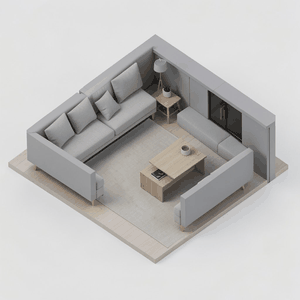
Living rooms often serve as the social heart of a home, so thoughtful updates here can have an outsized impact. Swapping a worn sofa or pairing a new chair with an existing table can refresh the entire room without requiring a full redesign. Soft textiles, layered lighting, and a considered arrangement of furniture help the space feel welcoming and balanced. Many galleries highlight how a single accent piece, such as a sculptural lamp or a textured rug, can shift the mood of the room while still allowing existing pieces to shine. Small, intentional changes frequently deliver the most satisfying and lasting results.
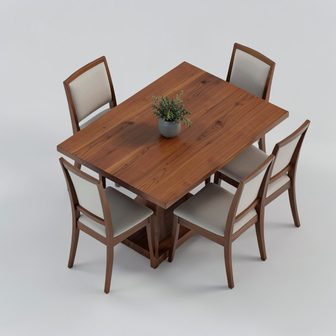
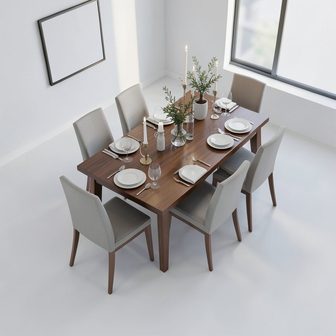
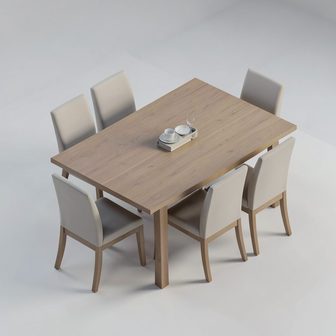
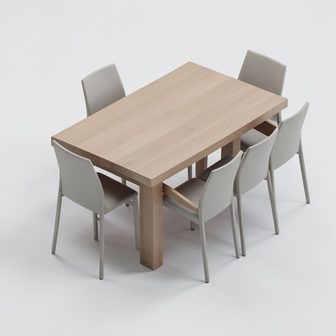
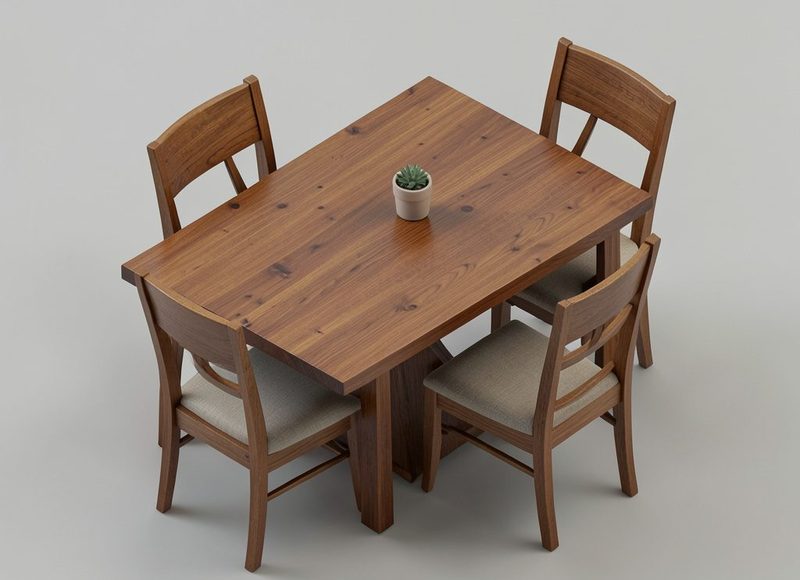
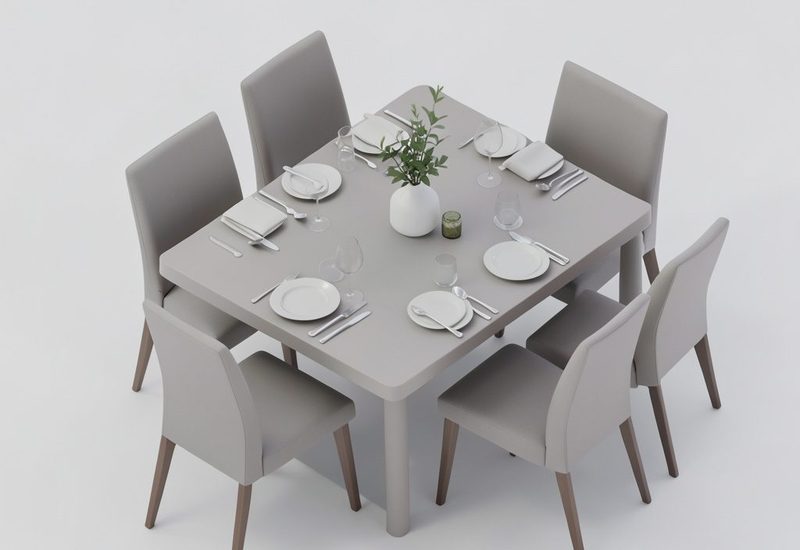
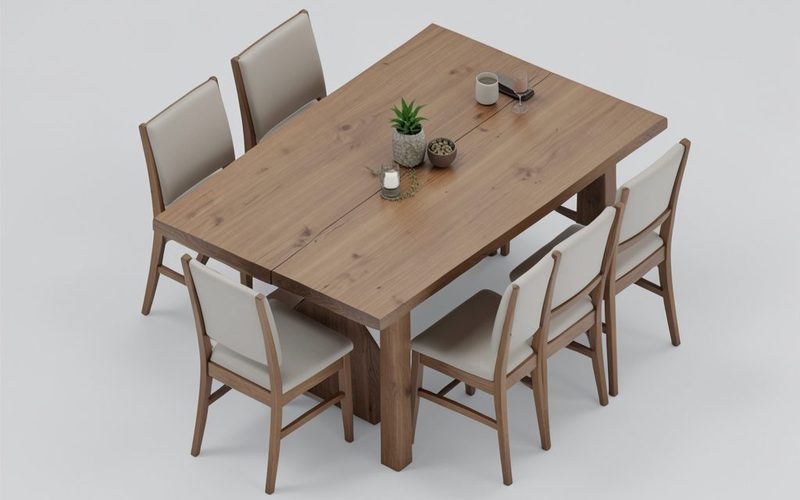
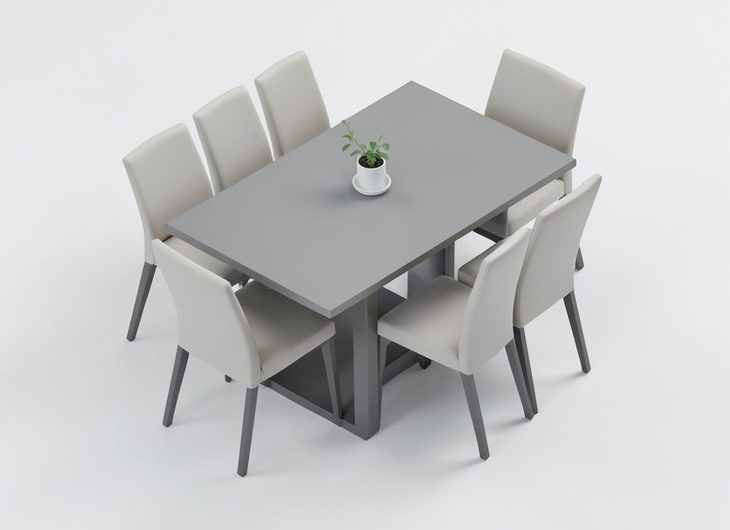
Dining areas benefit greatly from attention to proportion and traffic flow. Choosing a table that suits the size of the room, allowing comfortable clearance around each chair, and selecting lighting that anchors the space are all practical considerations that improve everyday meals and gatherings. Wall color, window treatments, and nearby storage also shape how the dining area feels during both casual family dinners and more formal occasions. Many home improvement enthusiasts find that refining these supporting elements creates a noticeably more pleasant atmosphere, encouraging everyone to linger at the table and enjoy shared time together.
Lighting plays a foundational role in any home improvement plan, influencing both function and atmosphere. Layered lighting that combines ambient, task, and accent sources allows a room to adapt throughout the day. Over a dining table, a statement fixture creates a focal point, while softer sconces or table lamps in a living area provide warmth and visual depth. In kitchens and work zones, focused task lighting improves safety and efficiency. Reviewing how natural light enters each space, and where shadows tend to fall, helps homeowners decide which fixtures will deliver the most meaningful improvement to daily comfort.
Furniture selection is closely tied to lifestyle, and thoughtful choices make daily routines easier. Pieces should suit the scale of the room, support the activities that happen there, and reflect a personal sense of style. Comfortable seating, generous storage, and surfaces that accommodate work or hobbies all contribute to a more functional home. Many home improvement galleries emphasize mixing established pieces with newer acquisitions to create a layered, lived-in feel rather than a showroom look. Taking time to measure doorways, plan delivery routes, and consider long term needs helps ensure that each purchase truly enhances the home.
Carpet care and general cleaning routines are often overlooked aspects of home improvement that quietly transform a space. Regular vacuuming, prompt attention to spills, and periodic deep cleaning extend the life of soft flooring and keep rooms looking fresh. Area rugs can define zones within open layouts, add warmth underfoot, and introduce color or pattern in subtle ways. Choosing durable materials suited to household traffic, pets, and family habits helps flooring maintain its appearance over time. Small adjustments to cleaning frequency and product selection frequently produce visible results that make the entire home feel more welcoming and well maintained.
Image rich references and curated galleries can be valuable tools when planning a home improvement project. Browsing collections of finished rooms allows homeowners to identify styles, color combinations, and layout ideas that resonate with their own taste. Seeing how others have solved similar challenges, whether working with a small dining nook, an awkward living room corner, or limited natural light, offers practical inspiration. Many enthusiasts keep personal mood boards that compile favorite images, making it easier to communicate preferences when shopping for furniture, selecting finishes, or coordinating with professionals on more involved renovation work.
Privacy, content ownership, and reliable references matter when researching home improvement ideas online. Readers benefit from sources that clearly state policies, acknowledge the creators of shared images, and provide accurate descriptions of the projects shown. Responsible sites also distinguish editorial content from sponsored material, helping visitors evaluate recommendations on their own merits. As more homeowners turn to digital galleries for inspiration, transparency about sourcing and ownership has become an important part of building trust. Choosing references that respect these standards makes the research process more rewarding and supports the wider community of designers.
Searching for the right home improvement idea often starts with a specific need and broadens into unexpected directions. A simple query about sofa arrangements may lead to insights about room flow, lighting, or color palettes. Likewise, browsing dining tables can spark thoughts about entertaining, storage, or wall treatments. This natural drift is part of why galleries and reference collections are so useful: they allow curious homeowners to compare many possibilities side by side. Keeping notes about which images attract attention helps clarify personal taste and guides future decisions, whether the next project is a quick refresh or a larger renovation.
A sitemap and a well organized menu make it easier for visitors to explore a home improvement reference site efficiently. Clear categories for living areas, dining spaces, lighting, furniture, and cleaning topics allow readers to focus on what matters most to them. A visible search function supports quick lookups, while accessible contact options encourage questions and feedback. Together, these structural elements turn a collection of images and articles into a practical resource that supports ongoing projects. When navigation feels intuitive, homeowners can spend less time searching and more time imagining the improvements they want to bring to life.